
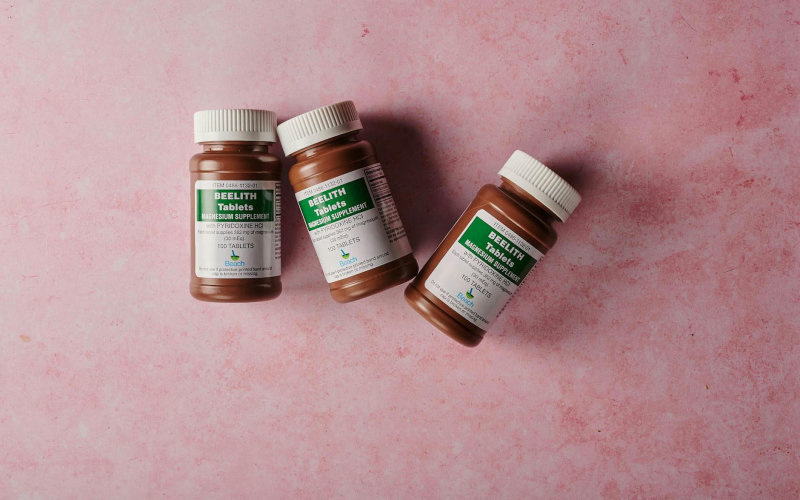

Okay, so here’s a question I get ALL the time from people in my community: “Alex, I bought magnesium but I’m not sleeping any better — what gives?” And nine times out of ten, when I dig deeper, the problem isn’t that magnesium doesn’t work. It’s that they bought the wrong form.
This is the part nobody talks about. Magnesium isn’t just magnesium. The form you take determines whether you wake up refreshed or spend half the night in the bathroom wondering why you trusted a wellness influencer. So if you’ve been spinning your wheels trying to fix your sleep or anxiety with a supplement that’s doing basically nothing for you — this one’s for you.
Why “Just Take Magnesium” Is Genuinely Bad Advice
Here’s the uncomfortable truth most supplement roundups skip: bioavailability matters ENORMOUSLY with magnesium. Your body can’t use what it can’t absorb. And different forms absorb at wildly different rates, bind to different tissues, and cross different barriers in the body — including the blood-brain barrier, which is kind of a big deal when we’re talking about anxiety and sleep.
So when someone says “just take magnesium for sleep,” that’s a little like saying “just take medicine” when you have an infection. Which medicine? For what? Same energy. Different forms of magnesium behave like completely different tools.
What Magnesium Glycinate Actually Does
Magnesium glycinate is magnesium bonded to glycine. an amino acid that is ITSELF calming. Glycine has been studied independently for sleep quality; a 2012 Japanese study found that 3 grams of glycine before bed reduced fatigue and improved sleep satisfaction scores in people with poor sleep habits. So you’re essentially getting a two-for-one: magnesium AND a calming amino acid working together.
This is the form I personally take. I switched to glycinate about two years ago after spending four months on oxide (basically useless, more on that later) and the difference was noticeable within about ten days. Falling asleep faster, fewer 3am wake-ups, and genuinely less of that low-grade anxiety that used to hum in the background by Thursday afternoon every week. Not a dramatic overnight cure, but real, steady improvement that actually stuck.
Glycinate is also gentle on your gut. No laxative effect. No bloating. Which means you can actually take a meaningful dose without… consequences.
What Magnesium Citrate Actually Does
Magnesium citrate is magnesium bonded to citric acid. It absorbs reasonably well. better than oxide, worse than glycinate for neurological purposes, and it has a well-documented effect on the digestive system. Meaning it pulls water into your intestines. Meaning it keeps things moving.
That’s not a bad thing if constipation is your issue. And honestly? A LOT of people dealing with anxiety also have gut tension, and magnesium citrate can help there. But if your primary goal is calming your nervous system or improving sleep depth, citrate is doing less of the heavy lifting where you actually need it.
Now, citrate isn’t TERRIBLE. It’s cheap, it’s widely available, and it raises serum magnesium levels fine. But it doesn’t have the same affinity for the brain and nervous system that glycinate does. So if you’re optimizing for sleep and anxiety specifically. glycinate wins. It’s not even close.
The Forms Nobody Talks About (And One You Should Avoid)
Before you run off to buy either one, let’s talk about what’s lurking on most drugstore shelves. Magnesium oxide is the most common form in cheap supplements, it has roughly 4% bioavailability according to research published in Magnesium Research back in 2001. Four percent. You’re basically paying for something your body politely ignores.
Magnesium threonate is the interesting one worth knowing about. Developed at MIT around 2010, it’s specifically designed to cross the blood-brain barrier, and some animal studies showed actual increases in brain magnesium levels. Human data is still thin, and it’s expensive. we’re talking $40–$60 a bottle versus $15–$25 for glycinate. Promising, but not proven enough for me to recommend it over glycinate yet.
Magnesium malate is solid for energy and muscle recovery. Taurate shows up in some cardiovascular research. But for sleep and anxiety? Glycinate is still your best documented option with the most real-world consistency behind it.
Dosing: How Much Actually Moves the Needle
This trips people up constantly. The RDA for magnesium sits around 310–420mg per day depending on your age and sex, but that’s the minimum to avoid deficiency, not the therapeutic target. Studies looking at sleep and anxiety improvements typically use 300–500mg of elemental magnesium daily.
Here’s where you HAVE to read the label carefully. If your glycinate supplement says “500mg magnesium glycinate,” that’s the weight of the whole compound. not the elemental magnesium. The actual elemental content is usually 14–18% of that total weight. So 500mg glycinate might deliver only about 70–90mg elemental magnesium. Most people need 2–4 capsules to hit a meaningful dose.
Take it about 30–60 minutes before bed. And give it three to four weeks before you decide it’s not working. Magnesium isn’t melatonin. It’s rebuilding something at a cellular level, not knocking you out immediately.
The Glycinate vs Citrate Decision Tree (Simplified)
So which one is actually for you?
Take magnesium GLYCINATE if: sleep is your main issue, anxiety or nervous system dysregulation is a factor, or your digestion is already normal and you don’t need extra help there.
Take magnesium CITRATE if: constipation is a real issue alongside your sleep problems, you need a budget-friendly option and can’t find glycinate locally, or you want to use it short-term while you order glycinate online.
And honestly? Some people do fine stacking a lower dose of glycinate with occasional citrate. But start with one, see how you feel, and adjust from there. Your body will tell you.
What I’d Actually Do If I Were Starting Over
Skip the drugstore entirely. Seriously. Most of what’s sitting on those shelves is oxide in a shiny bottle with “sleep support” written in a calming font. Go straight to a brand that lists elemental magnesium clearly on the label, I’ve had good experiences with Thorne, Pure Encapsulations, and Doctor’s Best, all of which use properly chelated glycinate with transparent dosing.
The bigger thing I wish someone had told me two years ago: magnesium isn’t a hack. It’s a foundation. If you’re running on terrible sleep, sky-high cortisol, and three coffees before noon, glycinate will help. but it works best when you’re ALSO doing the basics. Consistent sleep window, actual darkness in your room, phone down an hour before bed. Magnesium fills in real gaps. It doesn’t fix a lifestyle that’s fighting against your nervous system every single day.
But as a foundation? It’s one of the few supplements I genuinely believe most people are missing.
FAQ
Is magnesium glycinate safe to take every night?
Yes, for most healthy adults it is. Magnesium is water-soluble, and excess gets excreted through your kidneys. That said, anyone with kidney disease should check with their doctor first before supplementing regularly.
How long before I notice a difference with magnesium glycinate?
Most people start noticing subtle changes, easier time falling asleep, less nighttime waking. within two to three weeks. Give it a full month before deciding it’s not working.
Can I take magnesium glycinate and citrate together?
You can, but I’d start with just one form first. Taking both simultaneously makes it harder to know what’s actually helping, and you may get unwanted digestive effects from the citrate if your dose runs too high.
Photo by Beelith USA on Pexels

