
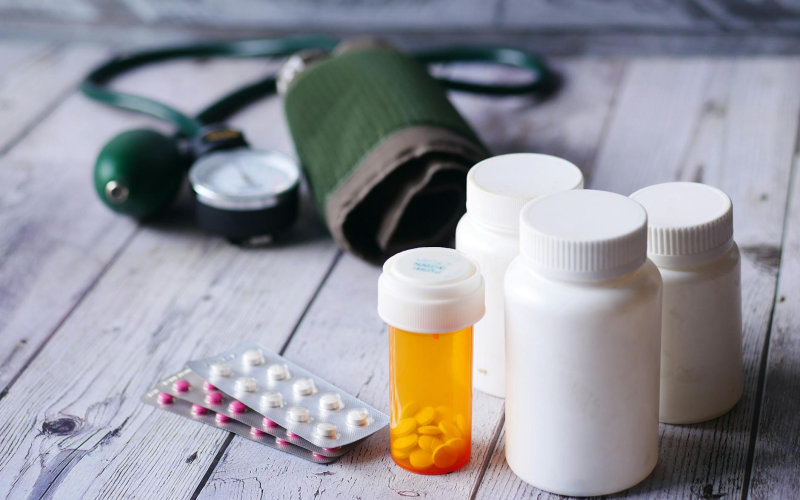

Here’s something that’s probably sitting in your medicine cabinet right now. A blood pressure pill you’ve taken for years, trusted, refilled dozens of times — and it may have been quietly recalled. Not once. Multiple times, across multiple manufacturers, across multiple drug names.
This isn’t a one-off quality control slip. It’s a pattern.
What’s Actually Been Recalled in 2025–2026
Start with prazosin hydrochloride. In October 2025, Teva Pharmaceuticals and Amerisource Health Services recalled over 580,000 bottles of prazosin capsules (1 mg, 2 mg, and 5 mg) due to a nitrosamine compound called N-nitroso Prazosin impurity C, which regulators link to cancer risk. Then, on March 27, 2026, Appco Pharma LLC — manufacturing for Biocon Pharma, Inc. — recalled another 175,061 bottles of the same drug in the same three dosages. The FDA classified that one as a Class II recall on March 31, 2026.
And prazosin isn’t alone. In January 2026, Unichem Pharmaceuticals USA recalled Bisoprolol Fumarate/Hydrochlorothiazide combination tablets manufactured in Goa, India, for nitrosamine levels above FDA limits. Then in April 2026, Unique Pharmaceutical Laboratories (a division of India’s JB Chemicals & Pharmaceuticals) recalled 675 bottles of Enalapril Maleate 20 mg tablets distributed by Rising Pharma Holdings in New Jersey.
So we’re talking about prazosin, bisoprolol, enalapril. all recalled within roughly six months. And before that, it was valsartan, losartan, and irbesartan. Since 2018, regulators have recalled more than 1,200 drug product lots globally because of nitrosamine contamination.
This is a structural problem, not a fluke.
What Nitrosamines Actually Mean for Your Health
I know “cancer risk” sounds terrifying. But here’s the context most headlines skip. The FDA classifies compounds like N-nitroso Prazosin as Class II recall triggers, meaning serious adverse health consequences are considered remote, not probable. The FDA’s own guidance states that someone taking a drug at or below acceptable daily nitrosamine limits every single day for 70 years isn’t expected to face increased cancer risk.
Does that make these recalls fine? No. But it changes your math on what to do next.
Do not stop taking your blood pressure medication without calling your doctor first. That part is non-negotiable. Abruptly stopping hypertension treatment can spike your blood pressure into stroke territory. a very immediate risk versus a very theoretical long-term one.
How to Check If Your Bottle Is Affected
Your first step is practical. Flip your pill bottle over and find the NDC number (National Drug Code) and lot number. Then go to the FDA’s recall database at fda.gov and search the specific manufacturer name, Teva, Appco, Unichem, or the brand listed on your label.
Recalls target specific lot numbers from specific manufacturers. Your generic prazosin from a different manufacturer is probably fine. This is where the confusion hits people hardest: not every bottle of prazosin on every pharmacy shelf got pulled.
What Most Guides Get Wrong
Here’s the uncomfortable truth nobody wants to say out loud: the FDA has been managing this nitrosamine problem since European regulators flagged it in valsartan back in 2018. That’s eight years. And the agency quietly allowed manufacturers to submit “progress reports” instead of meeting a full August 2025 compliance deadline.
A 2025 peer-reviewed study found that serious adverse events were 54.3% higher with India-manufactured generics compared to U.S.-made versions, per analysis published in The Conversation in April 2026. Most of these recalled drugs were made in India or have supply chains running through overseas facilities.
Call your doctor today. Confirm your lot number. And honestly. ask where your generic is actually manufactured. You have every right to know.
Photo by Towfiqu barbhuiya on Pexels

