
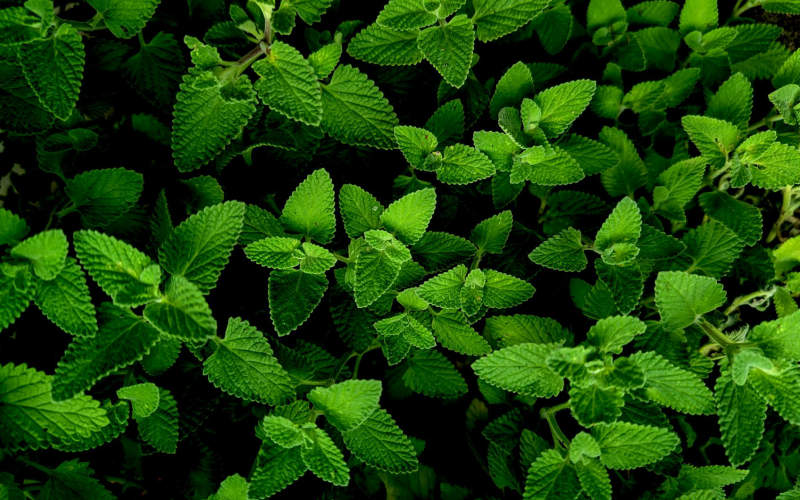

Okay, real talk — if lemon balm in your kitchen ONLY ends up in hot water with honey, you are leaving SO much flavor on the table.
I get it. That’s how most of us start. Someone hands you a sprig, you make tea, it’s lovely, you go home and plant a bush, and then suddenly it’s July and you’ve got an AGGRESSIVE three-foot monster taking over your herb bed with absolutely zero plan. That happened to me in 2021. I had so much lemon balm I genuinely didn’t know what to do. So I started experimenting — and what I found completely changed how I cook with fresh herbs.
These 9 lemon balm culinary uses and recipes will genuinely surprise you. No tea required.
1. Lemon Balm Compound Butter That Belongs on Everything
Fold four tablespoons of finely chopped lemon balm into softened unsalted butter with a pinch of flaky sea salt and a tiny hit of white pepper. Roll it in parchment. Refrigerate. Done.
This stuff belongs on grilled salmon, roasted corn, pan-seared chicken thighs — honestly, you could put it on a piece of cardboard and it would taste good. The citrus note in lemon balm is brighter and slightly more floral than lemon zest, which means it doesn’t overpower delicate proteins the way straight citrus can. Compound butters are wildly underrated in the home kitchen, and lemon balm is one of the best herbs for it.
2. Muddled Into Salad Dressings (Not Just Garnish)
Most guides will tell you to use lemon balm as a garnish. Tear a few leaves, scatter, photograph, done. That’s boring. And honestly? It’s a waste.
Muddle about 10 fresh leaves into your Dijon vinaigrette base BEFORE you add the oil. The cell walls break down and release volatile oils that infuse directly into the emulsion. What you get is a bright, almost herbaceous citrus note that makes a simple arugula salad taste like something you’d order at a restaurant for $18. I brought this dressing to a potluck in June 2023 and three people asked me what was in it. “Lemon balm” genuinely confused all of them.
3. Lemon Balm Pesto.
Your Basil-Free Summer Sauce
Basil pesto is classic. But basil bolts fast, bruises instantly, and goes black if you look at it wrong.
Lemon balm doesn’t do any of that. Blend two packed cups of lemon balm leaves with a third cup of toasted pine nuts, two garlic cloves, half a cup of Parmigiano-Reggiano, and enough good olive oil to bring it together. The flavor is softer than basil pesto, less anise, more citrus. and it holds its bright green color for a solid 3 days in the fridge. Toss it through pasta, spread it on crostini, or use it as the base for a flatbread pizza with ricotta and thinly sliced zucchini.
4. Blended Into Homemade Ricotta or Cream Cheese
This one sounds fancy. It’s NOT. It’s the easiest thing on this list.
Stir two tablespoons of finely minced lemon balm into fresh ricotta with a drizzle of honey and a crack of black pepper. That’s it. Serve it with toasted sourdough or pile it into crepes with strawberries. The lemon balm brings a delicate herbal lift that makes plain ricotta taste genuinely elevated. Works equally well stirred into softened cream cheese for a bagel spread that will make your weekend brunch situation considerably better.
5. Infused Oils and Vinegars for Year-Round Use
Here’s the part most lemon balm articles skip: you can PRESERVE it. And when you do, you unlock lemon balm in January when your garden is dead and frozen.
Gently warm a cup of good quality olive oil to about 150°F, don’t overheat it. then steep a large handful of lemon balm leaves for 45 minutes off the heat. Strain and bottle. The infused oil keeps for about 3 weeks in the fridge and is stunning drizzled over burrata or used as a finishing oil for grilled vegetables. For a lemon balm white wine vinegar, just pack a clean jar with fresh leaves, cover with white wine vinegar, and leave it on your counter for 10 days. So simple. So good.
6. Stirred Into Grain Salads and Cold Noodles
Lemon balm handles cold dishes BRILLIANTLY. This is something most home cooks genuinely haven’t tried.
Rough-chop a generous handful and stir it through a farro salad with cucumber, feta, and toasted almonds. Or fold it into cold soba noodles dressed with sesame oil, rice vinegar, and chili flakes. The herb plays really well with Asian-adjacent flavors, something about that citrus-meets-mint profile that works with ginger and sesame in a way that feels intentional rather than random. Try it once. You’ll understand immediately.
7. Baked Into Shortbread Cookies
Sweet applications for lemon balm are genuinely underexplored, and shortbread is the absolute best entry point.
Use the classic 1:2:3 ratio. one part sugar, two parts butter, three parts flour, and add three tablespoons of very finely minced lemon balm to the dough. The heat of baking mellows the herb beautifully, leaving behind a gentle floral citrus note that pairs perfectly with the buttery richness of the cookie. I made a batch of these for a holiday cookie swap in December 2022 and they were the first plate cleared. Nobody guessed the secret ingredient.
8. Frozen Into Herb Ice Cubes for Sauces and Soups
Okay this is less a recipe and more a STRATEGY. But it matters.
Blend fresh lemon balm with just enough water to make a loose paste, pour it into ice cube trays, and freeze. Now you have lemon balm on demand. Drop a cube into a cream sauce for chicken, into a summer soup, or into a pan sauce for pork chops. Each cube is roughly two teaspoons of fresh herb equivalent. This is genuinely one of the most useful things you can do with an abundant harvest, and I wish someone had told me this before I let about four pounds of lemon balm go to seed in 2021.
9. Used as a Wrapper for Grilled Fish or Chicken
Large lemon balm leaves can function as an aromatic wrapper. similar to banana leaf or fig leaf cooking, when you want to impart gentle flavor during grilling or roasting.
Layer several large leaves under and over a fish fillet before wrapping in foil and grilling for 12 minutes. The steam that builds up inside the packet carries the herb’s volatile oils directly into the flesh. It’s subtle. Elegant. And it produces a remarkably clean, bright flavor without any actual lemon required.
Where to Start
Honestly? Start with the compound butter. It takes 4 minutes, it uses ingredients you already have, and it will immediately show you what this herb can actually DO when you take it seriously. Lemon balm culinary uses and recipes go so much deeper than most people ever explore. and now you have nine solid reasons to raid that overgrown herb bed this weekend.
Go make something delicious. I’ll be right here with more ideas.
Photo by F 植生记 on Pexels

