
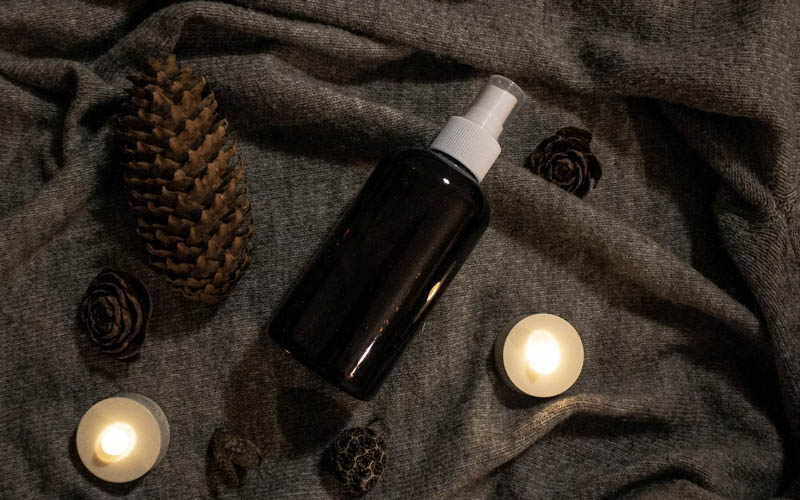

I started making my own magnesium oil about four years ago after burning through a $28 bottle from a health store in maybe three weeks. The woman behind the counter swore it would fix my restless sleep and post-workout leg cramps. And honestly? She wasn’t wrong. But dropping that kind of money every single month wasn’t going to fly.
So I did what any obsessive home remedy person does — researched it into the ground until I figured out how to make the same thing myself for about $4 a batch.
Here’s what most people miss: magnesium oil isn’t actually oil. It’s a saturated solution of magnesium chloride dissolved in water that feels slippery against your skin. That’s the whole trick. No complicated chemistry, no special equipment. Two ingredients, five minutes, done.
Why Magnesium Oil Actually Works
Your skin pulls magnesium in transdermally, completely sidestepping the digestive system. And that actually matters. Oral magnesium supplements are notorious for triggering loose stools at higher doses (ask anyone who’s accidentally knocked back too much magnesium citrate the night before a workday — not great).
A 2017 study in PLOS ONE tracked 100 participants using transdermal magnesium over 12 weeks and found measurable upticks in magnesium levels through hair follicle testing. Not exactly earth-shattering science, but solid enough to back up what people have been reporting anecdotally for decades.
What You’ll Need
Two things. Seriously, just two.
Magnesium chloride flakes and distilled water. That’s your entire shopping list. And before you ask — no, Epsom salt won’t cut it as a substitute. Epsom salt is magnesium sulfate, a different compound with weaker skin absorption. The flakes are what you want.
Go for food-grade or USP-grade magnesium chloride. Ancient Minerals and BulkSupplements both sell solid versions. A 2-pound bag runs around $15–18 on Amazon and stretches across roughly 8–10 full batches, bringing your per-bottle cost down somewhere between $1.80 and $3.00.
Grab a small glass spray bottle too — four to eight ounces works perfectly. Plastic is fine in a pinch, but glass holds up better for long-term storage.
How to Make It: Step-by-Step
Boil 1/2 cup of distilled water, then let it cool down to hot-but-not-boiling (somewhere around 160°F). Pour it into a small bowl or directly into your glass bottle.
Add 1/2 cup of magnesium chloride flakes. Stir or swirl until everything dissolves — usually about 60 seconds. Let it cool completely before transferring to your spray bottle if you used a bowl. That 50/50 ratio lands you at roughly a 31% magnesium chloride concentration, which is exactly where you want to be.
Label it, date it, leave it at room temperature. It’ll keep for at least six months without needing refrigeration.
How to Use It for Sleep
Spray 5–10 pumps onto your feet and lower legs about 30–45 minutes before bed. Rub it in. You’ll probably feel a mild tingling or itching — that’s totally normal, especially in the first week or two. It settles down once your skin gets used to it.
Some people also hit their chest or inner wrists. I personally stick to feet and calves because it doesn’t mess with pajamas or bedding. But experiment and see what works for you.
How to Use It for Muscle Recovery
Apply it directly onto sore muscles within an hour after your workout. Magnesium helps muscle fibers relax and may knock back cramping — sprinters and cyclists especially swear by this stuff, and professional sports trainers have been reaching for magnesium spray since at least the early 2000s.
Leave it on for 20–30 minutes, then rinse off if the residue bugs you. Your skin might feel faintly salty afterward. That’s just the magnesium chloride drying down, nothing to worry about.
Bottom Line
Here’s the thing nobody actually talks about: timing matters more than concentration. Most people spray it on right before crawling into bed and then wonder why results feel underwhelming. But magnesium needs a solid 30–40 minutes to start absorbing meaningfully through the skin’s barrier. Give it room to work. Build a habit around 9:30 PM instead of slapping it on at 10:58 when you’re already half-gone. That one shift made more difference for me than tweaking any ingredient ratio ever did.
Frequently Asked Questions
Does DIY magnesium oil spray actually help with sleep?
Yes — though it’s not a knockout sedative. Magnesium supports the GABA receptors in your brain, the ones responsible for dialing down neural activity. People with low magnesium levels (the National Institutes of Health estimates that’s roughly 48% of Americans) tend to notice real improvements in sleep quality within two to three weeks of consistent use.
Can I use Epsom salt instead of magnesium chloride flakes?
Technically yes, practically no. Magnesium sulfate has a different molecular structure and lower bioavailability through skin than magnesium chloride. If flakes are what you’re after and Epsom salt is all you’ve got right now, use it as a stopgap — just don’t expect identical results.
Will it stain my sheets or clothes?
Not stain, exactly. But it can leave a faint white residue if you spray heavily and don’t rub it in properly. Apply it at least 20 minutes before getting into bed, or just rinse it off beforehand. Easy fix.
Is it safe for kids?
In smaller amounts, generally yes — but loop in your pediatrician before starting. For children under five, I wouldn’t use it at all without medical guidance. For older kids dealing with sleep trouble or growing pains, a few sprays on the feet is considered low-risk by most integrative health practitioners.
This article is for informational purposes only and should not replace professional medical advice.

