
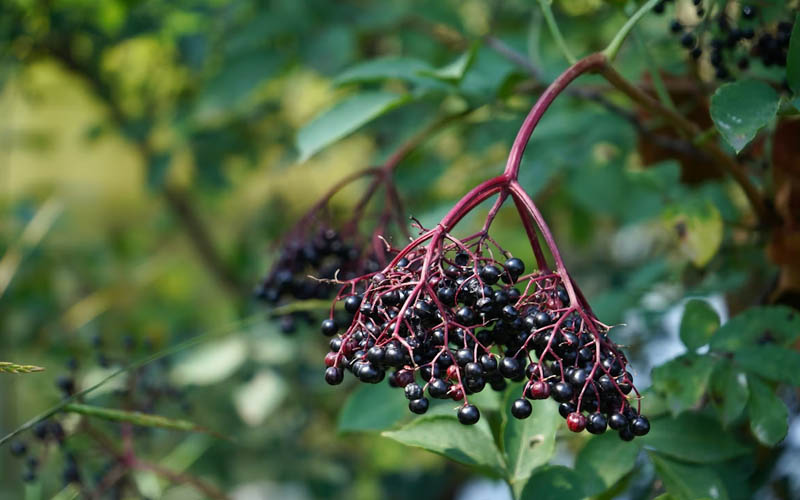

Last October, I caught my third cold in as many months and finally lost my patience. My neighbor had been pushing elderberry syrup on me for two solid years, and I kept nodding along while privately assuming it belonged at a Renaissance fair next to the turkey legs. Then I actually made a batch. By February, I hadn’t gotten sick once—and my kids, who normally collect every school virus like trading cards, shared exactly one minor sniffle between them.
I’m not calling it magic. But the science is real, and the homemade version genuinely outperforms those $18 pharmacy bottles. It’s cheaper, too.
So. Here’s what you need to know.
Why Elderberries Actually Work
Black elderberries (Sambucus nigra) contain flavonoids called anthocyanins that directly interfere with viral replication. A 2016 study published in Nutrients tracked 312 air travelers and found elderberry extract cut cold duration by roughly two days. Two days. When you’re miserable and functioning on DayQuil, that’s not nothing—that’s enormous.
Your immune system wants more than just Vitamin C thrown at it. Elderberries also bring zinc, Vitamin A, and polyphenols that dial back inflammation. Think of them as a multi-tool rather than a single screwdriver.
What You’ll Need (No Weird Stuff)
This recipe is almost suspiciously simple. Dried black elderberries (Frontier Co-Op and Mountain Rose Herbs both carry solid ones online), raw honey, cinnamon sticks, fresh ginger root, and whole cloves. That’s your entire shopping list.
One hard warning: avoid elderberry leaves, bark, or unripe berries. Raw and unripe elderberries contain sambunigrin, a compound that causes nausea and vomiting. Drying largely neutralizes it, but you still need to cook your syrup thoroughly. Non-negotiable.
I use about ¾ cup dried elderberries per batch, which makes roughly 16 oz of finished syrup—enough for a family of four for about a month.
The Basic Recipe, Step by Step
Combine ¾ cup dried elderberries, 3 cups water, 1 tablespoon fresh grated ginger, 1 teaspoon cinnamon, and 4 whole cloves in a medium saucepan. Bring it to a boil, then drop the heat and let it simmer uncovered for 45 minutes until the liquid reduces by almost half.
Mash the berries gently with a spoon or potato masher. Strain everything through a fine mesh strainer into a glass bowl, pressing hard on the berries to extract every last drop.
Now let it cool—and this part actually matters. Once it’s lukewarm (under 100°F), stir in 1 cup of raw honey. Adding honey to boiling liquid destroys its beneficial enzymes, which defeats a big chunk of the purpose.
Pour into a glass mason jar and refrigerate immediately.
Dosage That People Actually Follow
Adults: 1 tablespoon daily for maintenance, bumped to 1 tablespoon every 3-4 hours when you feel something coming on. Kids over one year: 1 teaspoon daily, same escalation logic when illness hits.
And please—never give anything honey-based to infants under 12 months. Botulism risk. Full stop.
How Long Does It Last?
Refrigerated, your syrup holds for 60-90 days. Some people add a small splash of brandy (about 2 tablespoons per batch) as a natural preservative—it extends shelf life without noticeably changing the flavor.
And yes, you can absolutely freeze it in ice cube trays. Make a big batch in September, thaw cubes through March. Works beautifully.
Common Mistakes to Avoid
The biggest one is using elderflower instead of elderberry. Completely different part of the plant, different compounds, different effects altogether. I’ve watched people do this with total confidence.
Don’t shortchange the simmer time, either. Thirty minutes isn’t enough. A genuine 45-minute reduction is what you’re after.
Bottom Line
Here’s something most elderberry articles quietly skip: consistency beats intensity. A small daily dose from October through March does far more for your immune system than chugging syrup the moment your throat turns scratchy. Your immune system responds to steady, low-level support the same way muscles respond to regular exercise—not to one heroic session. Make the habit boring. A spoonful in the morning, right next to your coffee. That unremarkable little routine? That’s the actual remedy.
Frequently Asked Questions
Can you use fresh elderberries instead of dried?
Yes—swap in about 2 cups fresh elderberries to replace ¾ cup dried, since dried berries are more concentrated. Fresh ones work perfectly fine, but make sure they’re fully ripe (deep purple-black, not red).
Is it safe to take elderberry syrup every single day?
For most healthy adults and children over one year, daily use at normal doses is considered safe. But if you’re on immunosuppressant medications or managing an autoimmune condition, talk to your doctor first. Elderberry actively stimulates immune response, which can interfere with certain treatments.
Why raw honey specifically?
Raw honey holds trace enzymes, antioxidants, and antimicrobial compounds that processed honey loses during pasteurization. Manuka honey is the premium pick here, but any good local raw honey gets the job done. That standard shelf honey from the grocery store? Skip it for this particular recipe.
What if my kids won’t take it?
Stir a teaspoon into warm oatmeal, blend it into a smoothie, or drizzle it over yogurt. Honestly, the flavor is pleasant on its own—almost like a tart berry jam—and most kids come around once they actually taste it without any buildup or pressure around it.
This article is for informational purposes only and should not replace professional medical advice.

