
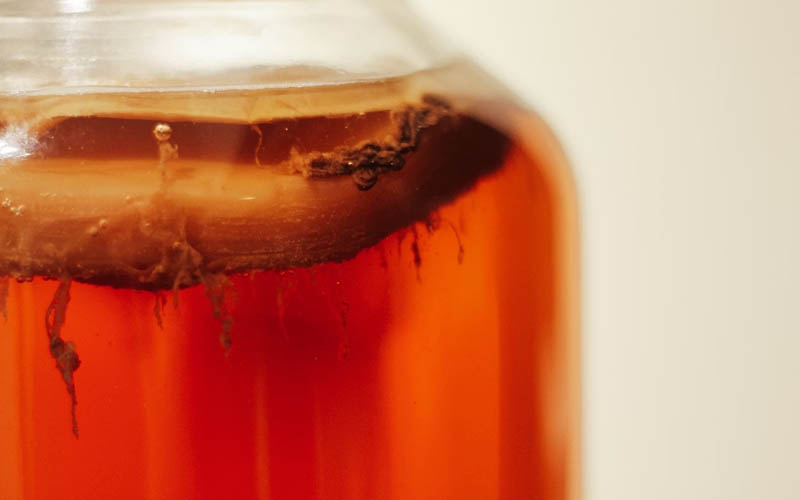

I ruined my first three batches of kombucha. Completely. One tasted like straight vinegar, one grew something that definitely wasn’t supposed to be there, and the third just… never fizzled. Flat, sad tea. So if you’re nervous about starting your own fermentation journey at home, trust me—you’re not alone, and this whole thing is way more forgiving than you’d think once you actually understand what’s happening inside that jar.
The gut health benefits are real, by the way. A 2021 study published in Cell found that a 10-week high-fermentation diet—kombucha included—increased microbiome diversity and reduced inflammatory markers in 36 participants. That’s not nothing. Your gut is basically a second brain, and feeding it live cultures costs maybe $3 a batch once you’re set up properly.
So here’s everything I wish someone had told me before I wasted two pounds of organic tea and a perfectly good glass jar.
What You Actually Need to Get Started
The equipment list is shorter than you’d expect. A gallon glass jar, a cloth cover (a clean cotton dish towel works fine), rubber bands, a wooden spoon, and some bottles for the second fermentation. That’s genuinely it. No fancy gadgets, no dehydrator, no expensive starter kit from Amazon.
The one non-negotiable? A SCOBY—a Symbiotic Culture of Bacteria and Yeast. You can get one from a friend who brews, buy one online for around $10-15, or grow your own from a store-bought raw kombucha like GT’s Original (the plain unflavored one). I grew mine from a bottle of GT’s back in 2019. It’s still alive in my fridge right now.
Understanding Your SCOBY (Before You Kill It)
Your SCOBY is alive. It breathes, it eats, and it absolutely hates metal. Never use metal utensils or bowls when handling it—the ions can disrupt the culture. Stick with glass, plastic, or wood.
Keep your brewing temperature between 70-78°F. Below 65°F and fermentation slows to a crawl. Above 85°F and you risk encouraging the wrong bacteria entirely. I keep mine on top of my refrigerator during winter (the motor heat keeps it just warm enough), which sounds odd but genuinely works.
The Basic First Fermentation Recipe (F1)
Here’s the ratio that works every single time: 1 gallon filtered water, 8 black tea bags, 1 cup white cane sugar, 2 cups starter liquid (already-made kombucha), and your SCOBY.
Brew strong tea. Dissolve the sugar completely. Then cool it to room temperature—this step is critical, because hot liquid kills your culture. Pour everything into your jar, add the starter liquid and SCOBY, cover with cloth, and leave it alone for 7-14 days at room temperature. Taste on day 7. Too sweet? Give it two more days. Too sour? You went too long. Simple calibration, nothing more.
Second Fermentation: Where the Bubbles Happen
This is where things get genuinely fun. After F1, pull out your SCOBY, bottle the kombucha, and add 1-2 teaspoons of fruit juice or a few pieces of fresh ginger per 16 oz bottle. Seal tight, leave at room temperature for 2-3 days. The natural sugars in the fruit feed the yeast and create carbonation.
Ginger-lemon is my personal favorite. Blueberry works beautifully too. But open your bottles over the sink the first few times—pressure builds fast, especially in summer. (You’ve been warned.)
Bottom Line
Here’s something nobody really tells you: the health benefits of your homemade kombucha recipe for gut health come less from the final product and more from the consistency of actually drinking it. A 4 oz glass daily for 30 days outperforms a 16 oz glass once a week, every time. Your gut microbiome responds to regularity, not volume. Start small, drink it every morning before coffee, and give your gut a full 6 weeks before you decide whether it’s working. Most people quit at week two. Don’t be most people.
Frequently Asked Questions
How long does homemade kombucha last in the fridge?
Properly sealed and refrigerated, it keeps for 1-3 months. But honestly? You’ll drink it way faster than that.
Can beginners really make kombucha without prior experience?
Yes. Absolutely. The whole process is more about patience than skill. If you can make tea, you can make kombucha.
What if my SCOBY grows brown strands?
That’s just yeast strands. Normal, completely harmless. Don’t throw your entire batch away over it.
Is kombucha safe if you have digestive issues?
Start with 2-4 oz daily and work up slowly. Some people with IBS notice initial bloating in the first week—that typically settles down as your gut adjusts to the new cultures.
This article is for informational purposes only and should not replace professional medical advice.

