
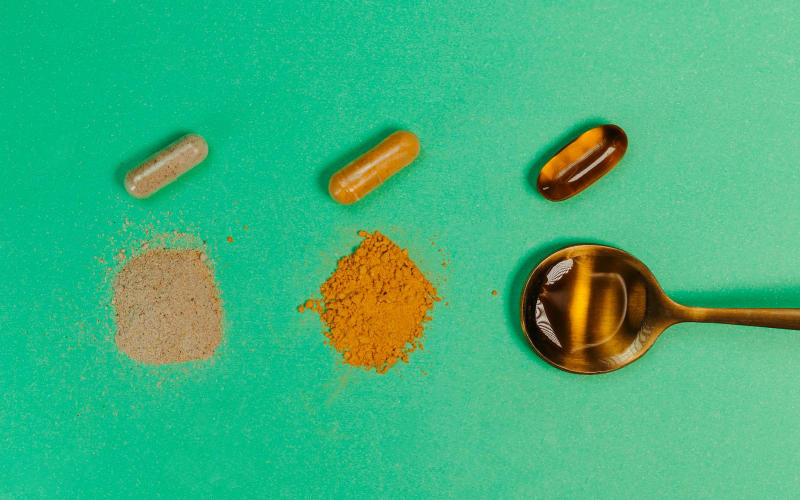

I’ve been making herbal remedies at home since 2012. And in all that time, few questions come up more often than this one: powder or liquid extract? Both sit on the same shelf at most health stores. Both promise lower cortisol, better sleep, sharper focus. But they’re genuinely different animals — and picking the wrong one for your lifestyle means either seeing zero results or burning through money for no reason.
Here’s what nobody actually tells you upfront: the “best” form depends almost entirely on how you plan to use it and what your body needs right now. Not on marketing copy. Not on which bottle photographs better.
So let me break this down the way I would for a friend sitting across my kitchen table.
What You’re Actually Getting in Each Form
Ashwagandha root powder is exactly what it sounds like. Dried root, ground up. Good-quality powder — the kind from organic farms in Madhya Pradesh, India, where most of the world’s ashwagandha is actually grown — contains naturally occurring withanolides, alkaloids, and saponins all bundled together the way nature made them. Nothing concentrated, nothing stripped away.
Liquid extract is a different story. Manufacturers soak the root in alcohol, water, or both to pull out specific compounds, then concentrate that liquid down. The result is a product where withanolide content is standardized — often to 2.5% or 5% concentration. You’re getting a focused dose rather than the whole plant matrix.
Neither is fake or inferior. They’re just different philosophies about how to get the plant’s benefits into your body.
Absorption: Where the Real Difference Lives
This is honestly the part of any ashwagandha powder vs liquid extract comparison that matters most — and gets glossed over constantly.
Liquid extracts start absorbing the moment they hit your mouth. Sublingual absorption (under the tongue) can bypass your digestive system almost entirely for certain compounds. A 2021 review in the Journal of Herbal Medicine found that tinctures and liquid extracts can reach peak plasma concentration in as little as 15-30 minutes in some people.
Powder takes longer. It has to survive stomach acid, get processed in the small intestine, and then make its way into circulation. Realistically, you’re looking at 45 minutes to over an hour before anything meaningful hits your bloodstream. Not a dealbreaker. Just different.
So if you drink a smoothie every morning and don’t think much about timing, powder works fine. But if you need faster, more predictable onset — say, for pre-workout calm or acute stress relief — liquid extract wins that round.
Taste and Daily Usability (This Matters More Than You Think)
Ashwagandha powder tastes like dirt. Earthy, slightly bitter dirt with a faint horse-barn quality — and yes, the name literally translates to “smell of horse” in Sanskrit. I say this with complete affection. You get used to it.
Blending it into warm oat milk with honey and cardamom makes it genuinely pleasant. I’ve been doing a version of golden ashwagandha milk for about four years now: half a teaspoon of powder, a pinch of black pepper (helps absorption), turmeric, raw honey. It’s become a ritual more than a supplement routine.
Liquid extract tastes concentrated and sharp. Alcoholic tinctures especially have a burn that some people love and some people absolutely cannot stand. But it’s fast — a dropper in a glass of juice and you’re done in 30 seconds flat.
And here’s something worth saying plainly: if you hate taking supplements and consistency is your enemy, liquid extract might actually serve you better. Because the easiest form to take is the one you’ll actually take.
Dosing: Powder Gives You More Flexibility
Standard research doses for ashwagandha typically land between 300mg and 600mg of a standardized extract daily. With root powder, you’re working with less concentrated material, so traditional Ayurvedic use commonly calls for half a teaspoon to a full teaspoon — roughly 1,000-2,000mg of raw powder.
With liquid extracts, you’re usually looking at 1-2 droppers (about 30-60 drops) per day. Simple, consistent, done.
But powder lets you scale in ways liquid can’t touch. Making ashwagandha energy balls with dates and almond butter? Stirring it into oatmeal? Baking it into something? Powder is your ingredient. Liquid extract doesn’t cook well — the alcohol evaporates and heat can degrade some active compounds anyway.
Cost Per Day: The Math Most People Skip
Let’s actually run the numbers. A 200-gram bag of high-quality organic ashwagandha root powder — something like Banyan Botanicals, which I’ve used since around 2017 — runs roughly $20-25. At half a teaspoon per day (about 1.5 grams), that’s 133 servings. Under 20 cents a day.
A quality liquid extract — Herb Pharm’s standardized tincture, for example — runs about $18-22 for a 1 oz bottle with approximately 30 servings. That’s 60-70 cents per day.
Powder wins on cost. Not even close. Over a full year, the difference adds up to real money.
Who Should Use Which One
Use powder if you enjoy making herbal recipes, want value for money, don’t mind a slight earthy taste, and your goal is long-term adaptogenic support — better sleep over time, gradual stress resilience, improved thyroid function. Consistency over weeks and months matters far more than quick onset here.
Use liquid extract if you want faster absorption, have digestive sensitivities that make processing whole powders difficult, need precise dosing without measuring spoons, or just prefer no-fuss supplementation. It’s also worth considering if you’re trying ashwagandha for the first time and want to gauge your body’s response before committing to a bigger purchase.
Some people — myself included, during particularly brutal project stretches — use both. Powder in the morning routine, a few drops of tincture in the afternoon when that 3pm cortisol spike shows up uninvited.
Bottom Line
Here’s something I haven’t seen spelled out anywhere else: the form you choose actually trains your body differently. Powder, taken as part of a food ritual — a warm drink, a recipe, something you actually prepare — activates what researchers call the “cephalic phase response,” where your body begins preparing to absorb nutrients the moment the ritual starts. The act of making your ashwagandha drink is itself part of the medicine.
Liquid extracts are clinically efficient but ritually empty. And for stress adaptation specifically, ritual matters enormously. Chronic stress isn’t just biochemical — it’s behavioral. So if long-term stress reduction is your actual goal, the slower, more intentional powder practice might outperform the tincture even on pure results. Not just because of what’s in it, but because of how you take it.
Frequently Asked Questions
Can I take ashwagandha powder and liquid extract at the same time?
Yes, and it’s actually a reasonable strategy for some people. Just watch your total daily dose — aim to stay under 600mg of withanolides combined. If you’re unsure, start with one form for 4-6 weeks before adding the other.
Which form works better for sleep?
Both work, but powder taken in warm milk about an hour before bed has stronger traditional and anecdotal support for sleep specifically. The ritual and warmth seem to compound the sedative effect. Liquid extract works too — it’s just less ceremonial about it.
Does ashwagandha powder lose potency when cooked or heated?
Some degradation happens above 140°F (60°C), particularly for heat-sensitive alkaloids. Warm milk is fine. Baking at 350°F will reduce potency meaningfully. If you do cook with it, use a slightly higher amount to compensate.
How long before either form starts working?
Most people notice something within 2-4 weeks of daily use. A 2019 study published in Medicine found significant cortisol reduction in participants after 60 days of consistent supplementation. Don’t judge it at day five. Give it a real chance.
This article is for informational purposes only and should not replace professional medical advice.
Photo by Jonathan Borba on Pexels

