

I ruined my first batch completely. Poured it too hot, skipped the cure time, and wound up with a crumbly disaster that smelled incredible but dissolved after three washes. This was 2017, and honestly? That failure taught me more about cold-process soapmaking than every YouTube tutorial combined.
If your hair turns greasy by noon and you’re burning through dry shampoo like it’s a staple food, you’re not alone in this. Oily scalps are actually made worse by most conventional shampoos—they strip too hard, your sebaceous glands panic, and they compensate by pumping out even more oil. A well-built shampoo bar, particularly one centered on peppermint and tea tree, can genuinely break that cycle.
Here’s what I think separates this recipe from the dozen others you’ve already scrolled past: it actually accounts for the chemistry of oily hair, not just the “natural smells pretty” vibe.
What You’ll Actually Need
Get everything together before you start. Nothing’s worse than being mid-recipe with lye on your hands and realizing you’re out of castor oil.
You’ll need 300g coconut oil, 150g olive oil, 50g castor oil, 70g sodium hydroxide (lye), 165g distilled water, 20 drops peppermint essential oil, and 15 drops tea tree essential oil. That’s the whole list. No exotic butters, no obscure additives.
A kitchen scale accurate to one gram is non-negotiable here. And please—dedicate a soap pot to this work and never cook pasta in it again.
Understanding Why These Oils Work for Oily Hair
Coconut oil gives the bar its cleansing muscle and its hardness. It creates that satisfying lather you’re after. But push it above 70% of your oil blend and you’ll strip the scalp raw, so this recipe holds it at 60%.
Castor oil is the underdog ingredient. At roughly 10% of the blend, it builds a thick, conditioning lather that cleans without leaving that squeaky, tight sensation. Ricinoleic acid—the dominant fatty acid in castor—carries real antimicrobial properties, confirmed in a 2009 study published in the Journal of Applied Microbiology.
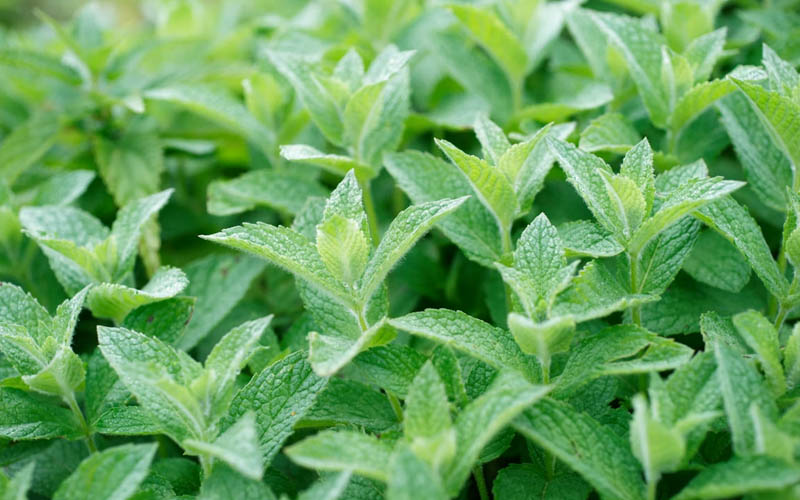
Peppermint oil pulls double duty. It stimulates scalp circulation, and the menthol actually dials back sebum production over time with consistent use. A 2016 study in Toxicological Research documented this at a 2% concentration. So it’s not just about smelling good—it’s doing actual work.
Safety First—Lye Is Serious
Sodium hydroxide isn’t optional. You cannot make real soap without it. But you also can’t be cavalier about handling it.
Work outside or with a window wide open. Gloves and safety glasses, always. Add lye to water—never the reverse—because flipping that order triggers a violent reaction. The mixture will spike to around 200°F (93°C) almost instantly. Let it cool before you do anything else.
I mean it. This part isn’t where you rush.
The Actual Process, Step by Step
Melt your coconut oil until it’s fully liquid, then stir in the olive and castor oils. Let the whole mixture cool to around 100-110°F (38-43°C). Mix your lye solution separately, and let that cool to roughly the same temperature range.
Combine them slowly, stick blending in short pulses until you hit “trace”—that thick, pudding-like consistency that means saponification has begun. Add your essential oils at trace, not before. Heat destroys them, and you didn’t come this far to waste good peppermint oil. Pour into a lined mold, cover with a towel, and leave it completely alone for 48 hours.
Cut into bars after that window. Then comes the part everyone hates hearing: cure them on a rack for 4 to 6 weeks, minimum. I know. But this is the difference between a bar that crumbles in three weeks and one that holds up for three months.
How to Use It Without the “Waxy Hair” Problem
Apply the bar directly to your wet scalp, working in sections. Don’t drag it end-to-end like a crayon—that just creates uneven coverage. Build a lather with your fingertips and rinse thoroughly, more thoroughly than you think you need to.
Your hair might feel strange for the first two to three weeks. That’s normal—it’s the adjustment period while your scalp recalibrates and stops flooding everything with oil. An apple cider vinegar rinse (one tablespoon per cup of water) after washing helps seal the cuticle and cuts any lingering residue.
Storing Your Bars Properly
Wet soap is soft soap, full stop. Between uses, your bar needs to dry out completely—a wooden soap dish with drainage slots is ideal. Bambu Organics makes decent ones, but any slotted wooden dish from a kitchen shop does the job just fine.
Store your extra bars somewhere cool and dark. A linen closet shelf works perfectly. Skip the plastic bags—they trap moisture and turn a beautiful bar into a mushy mess.
Bottom Line
Here’s something nobody really talks about: the cure time isn’t only about hardness. During those 4-6 weeks, saponification finishes completing and the bar’s pH drops from around 12-13 down to a skin-safe 8-9. Use it before that happens and you’re putting something still caustic on your scalp—and you might not even connect the irritation back to the soap.
Most people who say homemade shampoo bars “don’t work” used them too early. The bar that feels ready on day 10 isn’t ready. Patience here isn’t just a virtue—it’s genuinely the active ingredient.
Frequently Asked Questions
Can I use this homemade peppermint tea tree shampoo bar on color-treated hair?
Proceed carefully. Coconut oil-heavy bars can speed up color fading because of how deeply they cleanse. If your hair is color-treated, drop the coconut oil to 40% and bump up the olive oil to compensate. Always test on a small section before committing.
Why does my hair feel waxy after using a shampoo bar?
Almost always one of two culprits: not rinsing long enough, or hard water. Hard water minerals bind with the soap and leave a film behind. A diluted apple cider vinegar rinse after each wash clears this up quickly. If you’re in a particularly hard water area, a filtered shower head helps—the Aquasana AQ-4100NSH is one people consistently recommend.
How long will one bar last?
With proper drying between uses, one bar carries most people through 40-60 washes—roughly two to three months of daily use. That’s considerably longer than a shampoo bottle at a comparable price.
Is the lye safe once the bar is cured?
Yes, completely. This confuses people constantly, but it’s straightforward chemistry—lye reacts fully with the oils during saponification. A properly made, fully cured bar contains no free lye. You’re not washing your hair with sodium hydroxide. You’re washing it with soap.
This article is for informational purposes only and should not replace professional medical advice.

