

My skin was on fire. Not literally — but if you’ve lived through a bad eczema flare, you know exactly what I mean. That maddening trifecta of itch, burn, and tightness that makes you want to escape your own body. I tried steroid creams. Expensive moisturizers. Even a three-week elimination diet in the winter of 2019. Nothing stuck. Then I found this oat and lavender soak buried in some ancient thread on a natural health forum, and everything changed.
I make a batch every two weeks now. Flare-ups are less frequent, less brutal, and when they do hit, this is the first thing I reach for.
Here’s what most skincare content skips over: the science behind colloidal oatmeal isn’t fringe alternative medicine. The FDA recognized it as a legitimate skin protectant back in 2003. And a clinical trial in the Journal of Drugs in Dermatology (2015) showed measurable improvement in eczema symptoms with consistent oatmeal-based treatments. So you’re not just drawing a nice bath. You’re doing something genuinely therapeutic.
Why Oats and Lavender Work So Well Together
Oats contain compounds called avenanthramides — natural anti-inflammatory agents that cut down redness and inhibit histamine release. Histamine is basically the chemical your skin fires off when it panics. Grind those oats into a fine powder (colloidal oatmeal) and those compounds can actually penetrate the outer skin barrier instead of just sitting on top of it.
Lavender works differently. Its two main active compounds — linalool and linalyl acetate — carry documented antimicrobial and analgesic properties. A 2012 study in Evidence-Based Complementary and Alternative Medicine found lavender essential oil measurably reduced inflammation in mouse skin models. Not a perfect match for human eczema, sure. But it lines up with what people have reported anecdotally for centuries.
Together, they interrupt the itch-scratch cycle. That cycle is the real villain here — you scratch, the skin barrier degrades, irritants slip through, inflammation snowballs. Breaking it even temporarily gives your skin a window to recover.
Ingredients You’ll Need
Simple stuff. Nothing exotic, nothing requiring a specialty order.
For one soak:
- 1 cup rolled oats (not instant, not steel-cut — plain old-fashioned works best)
- 3 tablespoons baking soda
- 2 tablespoons whole milk powder (optional, but genuinely useful for moisture retention)
- 10 drops lavender essential oil — therapeutic grade, not fragrance oil
- 2 tablespoons coconut oil or sweet almond oil
That’s the whole list. You probably have most of it already. Want to make a bulk batch? Multiply everything by four and store it in an airtight jar away from moisture.
One thing worth knowing: lavender essential oil quality varies wildly. I’ve used Young Living, NOW Foods Lavender Oil (around $8 at most health stores), and a handful of local apothecary brands. The NOW Foods version holds up fine. Don’t let anyone upsell you into something fancier.
How to Make the Colloidal Oat Base
This step matters more than people give it credit for. Tossing whole oats into the bath gets you a lumpy, ineffective mess — the compounds don’t disperse properly and you lose most of the benefit.
You have to grind them. Blender, food processor, cleaned-out coffee grinder — all work. Run it for about 90 seconds until you’ve got something almost flour-like. Then test it: drop a small pinch into a glass of warm water. If the water goes milky and the powder disperses evenly, you’re there. If chunks sink? Keep blending.
That silky, faintly slippery quality you’ll notice in the bathwater? That’s the colloidal oatmeal forming a thin protective film over your skin. It’s not weird. It’s the whole point.
Putting the Soak Together
Once the oats are ground, combine them in a bowl with the baking soda and milk powder. Stir until it looks evenly mixed.
Separately, blend your melted coconut oil with the 10 drops of lavender essential oil. Don’t skip this step. Always dilute essential oils in a carrier before they hit bathwater — undiluted oil floating on the surface can actually irritate broken skin, which is spectacularly counterproductive when you’re dealing with a flare.
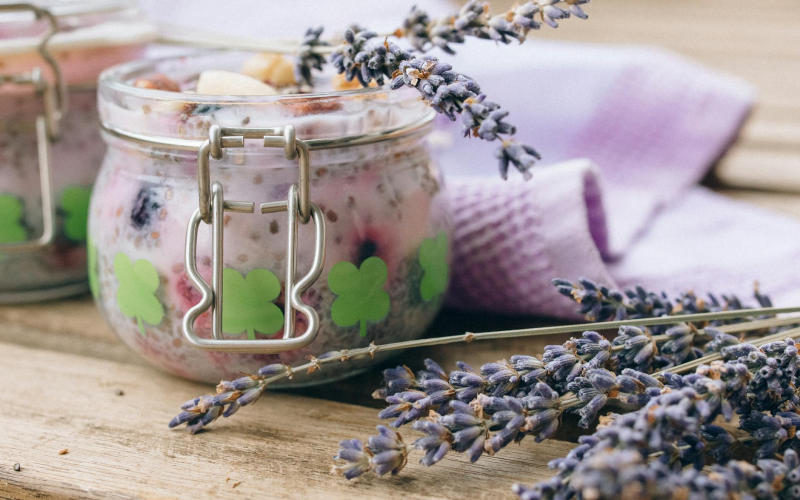
Pour the oil mixture into your dry ingredients and stir well. It’ll clump slightly. That’s fine. Store any extra in a sealed glass jar — it keeps for about six weeks at room temperature.
Drawing the Bath Correctly
Water temperature is genuinely important here. Hot water feels incredible on itchy skin for roughly 30 seconds, then strips your natural oils and makes everything worse. This isn’t just opinion — it’s been standard dermatology advice since at least the 1990s. Go lukewarm. Comfortably warm, not steaming.
Add the soak under running water so it disperses properly. Use the full cup for a standard tub. Swirl it in with your hand.
Soak for 15 to 20 minutes — not longer. Past that point, osmosis starts pulling moisture back out of your skin and you’ve undone the work. And when you climb out, pat yourself dry. Don’t rub. Rubbing a towel over eczema skin is basically applying sandpaper. Pat mostly dry, then put your moisturizer on while your skin is still slightly damp. That’s when absorption is best.
How Often Should You Do This?
Three to four times a week during an active flare. Once or twice a week when things are calm.
Honestly? The first time I tried this, I didn’t feel much. By the third bath, I did. Your skin barrier takes time to rebuild, and this soak supports that process in ways that hot showers and harsh cleansers work directly against.
Some people respond faster. My daughter developed eczema patches on her arms at age 7, and she noticed a difference after just two soaks. Kids’ skin tends to be both more reactive and more responsive to gentler approaches.
Bottom Line
Here’s the part most recipe blogs never get around to explaining: no single ingredient carries this soak. What makes it work is the combination — oats rebuilding the barrier, baking soda nudging skin closer to its natural 5.5 pH, lavender targeting the itch and inflammation simultaneously. Eczema is fundamentally a barrier dysfunction condition. Your skin doesn’t hold moisture and lets irritants in too easily. Every element of this recipe is aimed at that core problem, not just at covering up symptoms. That’s why the relief lasts instead of evaporating an hour later.
Frequently Asked Questions
Can I use quick oats instead of rolled oats for this recipe?
Technically yes, but they’re not ideal. Quick oats are more processed and grind to a slightly different texture. They’ll do in a pinch — but old-fashioned rolled oats give you a noticeably better colloidal result. And steel-cut oats are too dense to grind finely enough with a standard blender, so skip those entirely.
Is this soak safe for children with eczema?
Generally, yes. But drop the lavender essential oil to 5 drops for kids under 10, and do a patch test on the inner arm first. If you spot any redness or increased irritation within 24 hours, pull the lavender and use just the oat and baking soda base. That combination alone is still genuinely effective.
What if I’m allergic to oats? Can I still use this?
So — skin reactions to oats are actually pretty uncommon, but they do happen. If you have a diagnosed oat allergy, don’t use this recipe. You can substitute finely ground dead sea salt and chamomile powder instead. Different mechanism, comparable anti-inflammatory effect.
How long does a batch last in storage?
About six weeks in an airtight container at room temperature. But if you used coconut oil, give it a smell before each use — rancid oil on already-irritated skin is an experience you want to avoid. When there’s any doubt, just make a fresh batch. The ingredients run maybe $3 total anyway.
This article is for informational purposes only and should not replace professional medical advice.
Photo by Nataliya Vaitkevich on Pexels

