
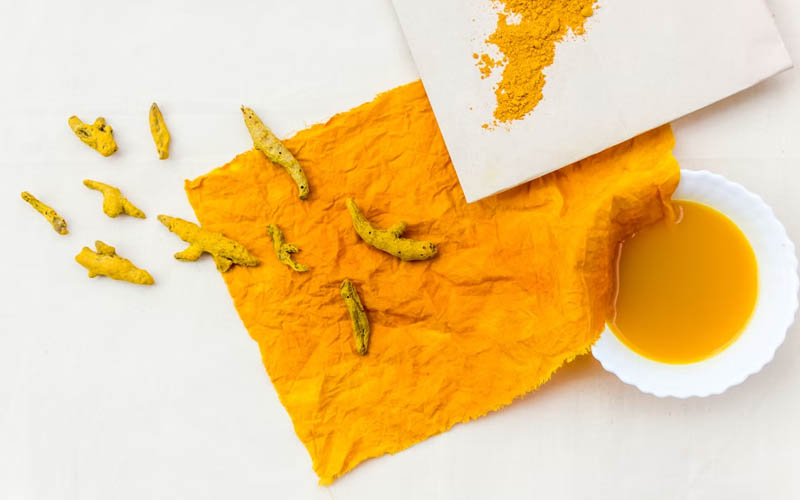

I’ll be honest — when someone first told me to smear turmeric on my face, I laughed. Turmeric. The spice that permanently ruins white dish towels and turns everything it touches a hideous shade of yellow. But a brutal 2019 winter had left my skin looking dull, patchy, and honestly kind of defeated, so I caved. Three applications later? Noticeably brighter. Not Instagram-filter different, not dramatic — just genuinely, quietly better.
And the reason isn’t magic. Honey is a humectant, meaning it actually pulls moisture into your skin rather than just sitting on the surface like a film. Turmeric carries curcumin — an antioxidant and anti-inflammatory compound that research in Phytotherapy Research (2016) linked to measurable reductions in both skin inflammation and hyperpigmentation. Together, these two pantry staples work harder than you’d expect.
So if your skin feels tired, irritated, or just blah, this is worth 20 minutes of your Sunday.
What You’ll Need (Keep It Simple)
You don’t need a wellness budget. Seriously, you don’t.
The base recipe: 1 tablespoon of raw honey (skip the cute grocery store squeeze bear — go for Manuka or at least a local raw variety), 1/2 teaspoon of ground turmeric, and 1 teaspoon of plain full-fat yogurt. That’s the whole thing. Yogurt brings lactic acid to the party, which exfoliates gently without any scrubbing.
Optional additions: a few drops of jojoba oil if your skin runs dry, or a tiny squeeze of lemon juice (1/4 teaspoon, max) if dark spots are your target. But go easy on that lemon — citric acid on sensitive skin can genuinely sting.
Why Raw Honey Matters Here
Not all honey performs the same. Processed honey loses most of its beneficial enzymes during pasteurization, which is fine for your morning tea but kind of pointless on your face.
Raw honey still contains glucose oxidase, which produces hydrogen peroxide and gives it real antibacterial properties. A 2011 study in the Asian Pacific Journal of Tropical Biomedicine confirmed raw honey inhibits bacterial growth — which matters a lot if you’re dealing with acne-prone skin. Manuka honey rated UMF 10+ is the most potent option, though you’ll pay for it (around $20–$30 for a small jar). Worth it if acne is your main concern. Optional otherwise.
Mixing and Applying the Mask
Mix everything in a small glass bowl. Not plastic — turmeric will stain it permanently, and you’ll be annoyed about it for months. Stir until the turmeric fully incorporates into a warm golden-yellow paste, thick enough to spread without dripping down your chin.
Apply to clean, dry skin with your fingertips or a silicone brush. Hit your cheeks, forehead, and chin, but leave a small margin around your hairline. (Yellow forehead. Not the look.) Leave it on for 15–20 minutes.
And please, wear an old shirt. I cannot stress this enough.
How to Remove It Without Staining Your Towels
This is where most people make mistakes. Don’t reach for your good white towel. Use a damp washcloth you genuinely don’t care about, or just rinse off in the shower with lukewarm water and gentle circular motions.
If there’s still a faint yellow tint after rinsing — which happens if you left it on longer or went heavy on the turmeric — a little micellar water on a cotton pad clears it right up. Your skin will feel soft immediately after. That’s the honey doing exactly what it’s supposed to do.
How Often Should You Use It?
Twice a week is the sweet spot for most people. More than that and you risk over-exfoliating from the yogurt, or just general irritation if your skin tends toward sensitivity.
If turmeric masks are new to you, start once a week for your first two weeks and pay attention to how your skin responds. Some people — fair-skinned folks especially — notice temporary yellowness even after proper rinsing. It’s normal. It fades within an hour.
Patch Test First. Always.
I know everyone says this. Do it anyway.
Dab a small amount on the inside of your wrist or behind your ear, wait 24 hours, and check for redness, swelling, or itching. Turmeric allergies are rare, but they exist — and discovering one on your cheekbone is considerably worse than discovering it on your wrist.
Store It or Make It Fresh?
Fresh is better, full stop. This recipe is intentionally sized for one use.
But if you want to prep ahead, store the paste in an airtight glass container in the fridge for up to 3 days. Beyond that, the honey starts breaking down the yogurt’s beneficial cultures and things get weird fast. Don’t freeze it — the texture goes completely wrong.
Bottom Line
Here’s something I almost never see mentioned anywhere: what you do immediately after this mask matters more than the mask itself. Most people rinse, pat dry, and slap on their regular moisturizer. But your skin’s absorption is actually heightened for about 10–15 minutes after a honey mask, because the humectants temporarily open up the surface barrier. Apply a vitamin C serum in that window — before your moisturizer — and you’ll get noticeably better penetration than at any other point in your routine. That’s exactly when I apply mine. Try it for two weeks and see what happens. I think you’ll notice.
Frequently Asked Questions
Will the turmeric permanently stain my skin?
No. The yellow tint that lingers after rinsing is purely superficial and fades within 30–60 minutes. The staining concern is very real for fabrics and plastic surfaces, but your skin naturally sheds the color quickly — especially if you rinse thoroughly with lukewarm water.
Can I use this homemade honey turmeric face mask if I have acne?
Yes, and it can genuinely help. Raw honey’s antibacterial properties combined with curcumin’s anti-inflammatory action make this a reasonable option for mild acne. That said, if you’re already using prescription topicals like tretinoin or benzoyl peroxide, check with your dermatologist before adding anything new into the mix.
What type of honey works best for skin benefits?
Raw Manuka honey rated UMF 10+ is the gold standard. But any unprocessed raw honey works well. The thing to avoid is pasteurized, filtered honey — great on toast, nearly useless here since most of its skin-beneficial compounds have been stripped out.
How long until I see results?
Most people notice a brightness difference after 3–4 applications. Hyperpigmentation and overall skin tone evening takes longer — realistically 4–6 weeks of consistent twice-weekly use. Skincare is slow. That’s just how it works.
This article is for informational purposes only and should not replace professional medical advice.

