

Hey, Posse! It’s Alex — and I need to talk to you about something you’re probably WALKING PAST every single morning without a second glance.
Your yard is basically a free pharmacy right now. No, seriously. Every spring, some of the most medicinally powerful plants on the planet push up through your soil, and most people grab the weed killer. That is a MISTAKE I used to make too, until I spent a whole season learning to forage and it genuinely changed how I think about herbal wellness forever.
So here are 12 spring edible weeds you can harvest right now — plus the herbal recipes worth making with each one.
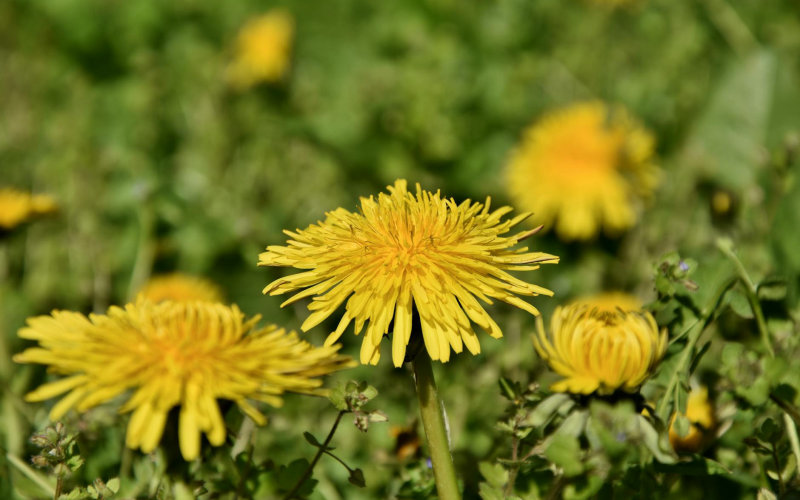
Dandelion: The One You Already Know (But Probably Underestimate)
Dandelion is SO much more than a lawn nuisance. Every part — root, leaf, flower. is edible and medicinal. The leaves are bitter in the best possible way, packed with vitamins A, C, and K, and the root is a serious liver tonic.
My go-to recipe: dandelion root tea. Roast the roots at 350°F for about 35 minutes until dark and fragrant, then simmer a tablespoon in two cups of water for 20 minutes. It tastes like a nutty, earthy coffee substitute. Genuinely delicious.
Chickweed: The Spring Green You’ll Want to Eat Raw
Chickweed is ridiculously easy to identify, tiny white star-shaped flowers, a single line of hairs running along the stem. It shows up in March and April before almost anything else, and it tastes mild and slightly grassy, almost like spinach.
Use it fresh in a chickweed pesto. Blend two packed cups of chickweed with a clove of garlic, a quarter cup of pine nuts, olive oil, and parmesan. It comes together in about 4 minutes and works on pasta, toast, or eggs. Chickweed is also a known anti-inflammatory, so you’re genuinely getting something useful out of this.
Cleavers: Weird Name, Incredible Lymphatic Tonic
Cleavers. also called goosegrass, is that sticky plant that clings to your jeans when you walk through tall grass. And it’s one of the BEST spring herbs for lymphatic support.
You can’t really cook it (it gets slimy), but a cold infusion is perfect. Stuff a jar full of fresh cleavers, cover with cold water, and let it sit overnight in the fridge. Strain and drink a cup in the morning. Herbalists have used this for swollen glands and sluggish lymph since at least the 1600s. Nicholas Culpeper wrote about it extensively.
Hawthorn Leaves: Tiny Leaves, Big Heart Health
Most people wait for hawthorn berries in fall, but the young spring leaves, sometimes called “bread and cheese” in old English folk tradition. are edible and medicinally active right now. They taste faintly nutty.
Make a simple hawthorn leaf tincture by packing fresh leaves into a jar and covering with 80-proof vodka. Leave it for six weeks, strain, and you’ve got a cardiovascular tonic that supports healthy blood pressure. Studies from the University of Reading in 2008 found hawthorn extract measurably improved exercise tolerance in patients with mild heart failure. That’s not nothing.
Nettles: Stop Being Scared of Them
Look, I know stinging nettles have a reputation. But the sting disappears COMPLETELY once you blanch them for 30 seconds. And what you get is one of the most nutritionally dense greens available, more iron than spinach, loads of magnesium, and a strong antihistamine action that makes nettles basically nature’s allergy pill.
Nettle soup is the classic, but nettle tea is my weekly staple. Steep a generous handful of blanched nettles in hot water for 10 minutes, add lemon and honey. Drink it through allergy season and tell me you don’t notice a difference.
Ground Ivy: The Forgotten Sinus Herb
Ground ivy is everywhere. that low-growing creeping plant with rounded, scalloped leaves and tiny purple flowers. Most gardeners hate it. Herbalists love it.
It’s historically used for sinus congestion and ear complaints. Make a ground ivy steam: pour boiling water over a large handful of fresh herb in a bowl, drape a towel over your head, and breathe it in for about 8 minutes. Old-school? Yes. But genuinely effective for spring sinus pressure.
Violet Leaves and Flowers: Beautiful AND Medicinal
Wild violets bloom early and pack more vitamin C per gram than oranges. Both the leaves and flowers are edible, with a mild flavor that works beautifully in salads.
But the herbal recipe worth knowing is violet leaf cough syrup. Simmer two cups of fresh violet leaves in one cup of water for 15 minutes, strain, add equal parts raw honey, and store in the fridge for up to three weeks. It soothes irritated throats and tastes genuinely lovely.
Garlic Mustard: Invasive and Delicious
Garlic mustard is technically an invasive species across most of North America, which means you should harvest it aggressively and feel zero guilt about it. The leaves taste exactly like you’d expect: garlicky, slightly bitter, with a mustard heat on the finish.
Chop fresh garlic mustard leaves into compound butter with a little lemon zest and sea salt. Roll it in parchment, freeze it, and slice off coins to finish grilled vegetables or pan-sauced fish all spring. Honestly one of the most useful herbal recipes on this list.
Red Clover: The Hormone-Balancing Bloom
Red clover flowers are showing up in fields right now and they contain isoflavones. plant compounds that interact with estrogen receptors. They’ve been studied for hot flash reduction and general hormonal balance, particularly in perimenopausal women.
Dry the flowers and steep two teaspoons in a cup of hot water for 12 minutes. It’s slightly sweet, floral, and genuinely pleasant to drink. Combine it with oat straw and you’ve got one of the most nourishing spring tonics around.
Plantain: The “Weed” Every First Aid Kit Should Include
Plantain (Plantago major or lanceolata) grows in literally every temperate yard on earth. It’s probably in your driveway crack right now. And it’s one of the most effective wound herbs available, drawing out splinters, soothing bee stings, reducing inflammation fast.
Make a quick plantain poultice by chewing a clean leaf until it’s soft (or blending it), then applying directly to insect bites or minor cuts. For internal use, plantain leaf tea supports gut lining health. steep for 10 minutes and drink daily.
Where to Start (My Honest Take)
If I had to pick just THREE plants from this list to start with, I’d say dandelion, nettles, and plantain. They’re the easiest to identify with zero ambiguity, they grow everywhere, and the recipes for each one are genuinely simple enough to make on a Tuesday night after work.
But here’s what most foraging guides won’t tell you: START SMALL. Introduce one new plant per week, try one recipe, and pay attention to how your body responds. Your backyard is ready. The question is, are you?
Photo by Ralph on Pexels

