

Okay, so here’s something that’s been bugging me for YEARS about the herbal community online.
Everyone just… picks a side. Either you’re team “boil everything for maximum extraction” or you’re team “cold water only because heat destroys everything.” And honestly? Both camps are getting it WRONG — or at least, dangerously oversimplified. So I want to break down the real story behind cold infusion vs heat infusion herbs, because the answer is more nuanced than any Pinterest infographic will ever admit.
I’ve been making herbal infusions for about eight years now. My first batch was a disaster — I scorched a gorgeous marshmallow root I’d ordered from Mountain Rose Herbs in 2016 and wondered why the result tasted like hot cardboard. That experience sent me deep down the rabbit hole of plant chemistry. What I found genuinely surprised me.
The Real Difference Between Cold and Heat Infusion
Cold infusion is exactly what it sounds like. You place your herbs in room-temperature or cold water and let them steep anywhere from 4 to 12 hours — sometimes overnight. No heat. No boiling. Just time doing the work.
Heat infusion (the classic “pour boiling water over your herbs” method) works faster. Usually 10 to 20 minutes of steeping in water around 185–212°F, and you’re done. Most people grew up watching their grandmothers do this. It’s familiar, quick, and genuinely effective for certain plants.
But here’s where it gets interesting. The question isn’t really “which is better”. it’s “better for WHAT?” Because the two methods literally extract different types of compounds from the same plant.
What Heat Actually Destroys (And What It Doesn’t)
Let’s talk chemistry for a second, because this part matters.
Heat is genuinely brutal to certain nutrients. Vitamin C, for instance, starts breaking down around 140°F, which means any herb you’re reaching for because of its ascorbic acid content (think rose hips, hibiscus, pine needles) is losing significant potency the moment you pour boiling water on it. A 2019 study published in the Journal of Food Science found that hibiscus tea brewed at 203°F lost roughly 32% of its ascorbic acid content compared to a cold-steeped version over 8 hours.
Volatile aromatic compounds. the delicate oils in plants like lemon balm, lavender, and fresh peppermint, also take a hit from high heat. These are the compounds responsible for some of the calming, mood-supporting effects people love. So if you’re brewing chamomile specifically for its apigenin content and gentle sedative qualities, a slightly cooler steep (around 160–170°F rather than a full rolling boil) is going to serve you better.
But. and this is the part most guides skip entirely, heat UNLOCKS certain compounds that cold water simply cannot pull out. Many medicinal polysaccharides, like the immune-supporting beta-glucans in reishi mushroom or the thick, healing mucilage in slippery elm bark, require heat to become bioavailable. You can cold-steep slippery elm all week and not get the same soothing gel-like extraction that 15 minutes in hot water delivers.
Where Cold Infusion Wins.
No Contest
So when does cold infusion actually WIN? Delicate, enzyme-rich, or vitamin-heavy herbs. Full stop.
Rose hips. Aloe vera. Fresh nettle leaf. Marshmallow root. These are your cold infusion champions. Marshmallow root especially, its mucilaginous compounds actually degrade with heat, which means cold infusion gives you a MUCH more soothing, throat-coating result. Herbalist Rosalee de la Forêt has been saying this for years, and she’s right.
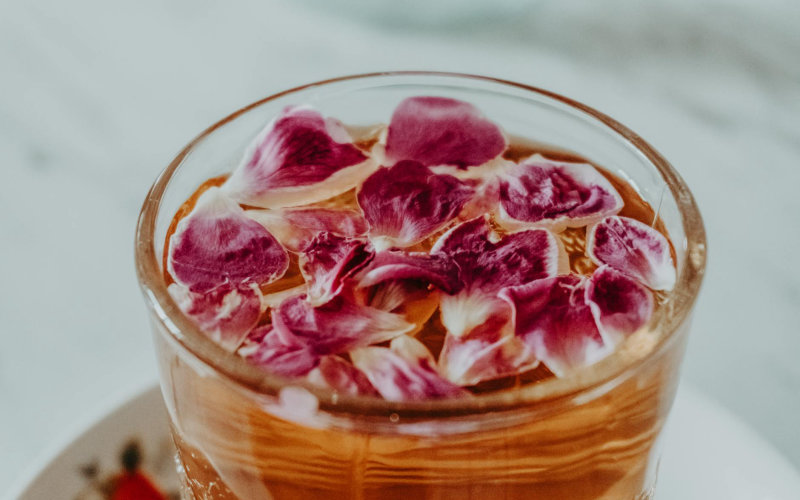
Cold infusion also shines when you’re working with dried flower petals or fresh herbs where flavor is the priority. A cold hibiscus infusion left overnight produces this gorgeous, jewel-toned drink with a bright, tart flavor that hot-brewed hibiscus just can’t match. It’s less bitter. More nuanced. And the anthocyanin content. those deep purple-red antioxidant pigments, stays significantly more intact.
One thing I do every summer: I make a cold nettle infusion by packing a mason jar with a full ounce of dried nettle, filling it with cold filtered water, capping it, and leaving it in the fridge for 8 hours. What you pull out is incredibly mineral-dense. Calcium, magnesium, iron. all still present. No heat damage. It’s honestly one of the most nutritionally dense drinks I make.
When Heat Infusion Is the Right Call
Now look, I’m not here to trash hot tea. That would be ridiculous.
For roots, barks, seeds, and mushrooms, heat infusion, or a full decoction. is non-negotiable. You’re not getting meaningful extraction of eleutherosides from eleuthero root with cold water. You’re not pulling the ginsenosides from ginseng root. These are tough, woody plant materials with cell walls that simply won’t yield without heat.
Tulsi (holy basil) is another one where I always reach for hot water. Its volatile aromatic compounds are abundant enough that even with some heat loss, you’re still getting a rich, eugenol-heavy brew that cold water just doesn’t replicate as well. Same goes for ginger root, heat activates the conversion of gingerols to shogaols, which are actually MORE potent anti-inflammatory compounds than what’s present in the raw root.
So if you’re working with any of the adaptogens. ashwagandha, rhodiola, astragalus, heat infusion or decoction is your friend. Don’t overthink it. Use it.
The “Nutrient Preservation” Question Reframed
Here’s my actual hot take on the whole cold infusion vs heat infusion herbs debate.
Asking which method “preserves more nutrients” is kind of like asking whether a knife or a fork is a better utensil. They’re tools for different jobs. Cold infusion preserves heat-sensitive vitamins and delicate volatile compounds. Heat infusion unlocks polysaccharides, resins, and compounds locked in tough plant material. Neither one is objectively superior.
What you SHOULD be asking is: what specific constituents do I want to extract from this specific plant?
That question changes everything. And the answer will point you toward the right method every single time.
What I’d Actually Do
If I’m being honest, most weeks I use BOTH methods. and I think that’s the real secret most herbal recipe blogs won’t tell you.
I’ll cold-steep my rose hip and marshmallow root blend overnight, and run a hot decoction of reishi and astragalus on the stovetop the next morning. Then I combine them. You get the full spectrum of compounds from both methods, and your body gets access to a much wider range of plant intelligence than either method alone delivers.
Start with your herb’s primary therapeutic goal. Vitamins and mucilage? Go cold. Polysaccharides and hard resins? Go hot. When in doubt, look up what compounds your herb is actually known for. That’s the research that actually moves the needle, not just blindly picking a method because it feels more natural or more traditional.
Your herbs deserve better than guesswork. And honestly? So do you.
Photo by Zulfugar Karimov on Pexels

