
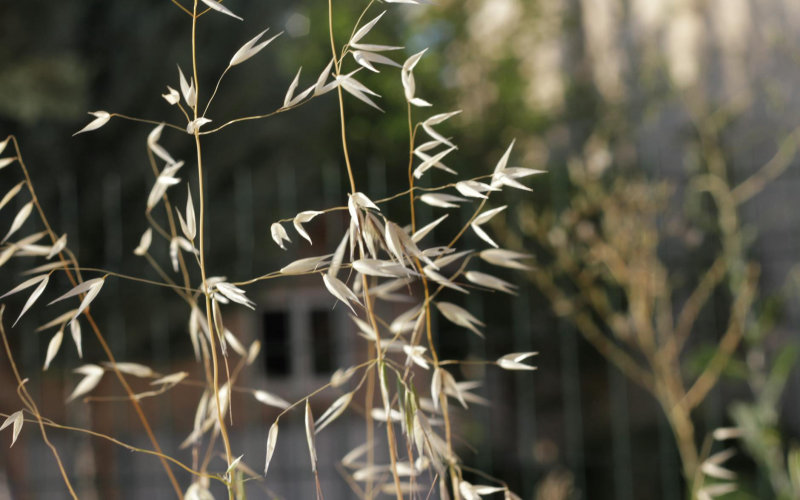

I stumbled onto nourishing herbal infusions completely by accident. A friend handed me a mason jar of something dark green and told me to drink it. I thought she was messing with me. But three weeks later, my hair was visibly thicker, my nails had stopped peeling at the edges, and that low-grade exhaustion I’d been dragging around for two solid years had finally started to lift.
That drink was a nettle and oat straw infusion. Nothing glamorous about it. No celebrity-endorsed supplement label, no proprietary blend, no monthly subscription box. Just dried plants steeped overnight in hot water—and honestly? One of the most quietly effective things I’ve added to my routine in over a decade of writing about herbal health.
This isn’t magic. It’s mineral density. Stinging nettle (Urtica dioica) contains measurable amounts of calcium, magnesium, iron, potassium, and silica. Oat straw (Avena sativa green tops) layers in nervous system support, B vitamins, and more silica than almost any other common herb you’d find. Together they create something your body can actually absorb—which is more than you can say for plenty of expensive bottles collecting dust in your medicine cabinet.
Why Mineral Deficiencies Are So Quietly Brutal
Most people don’t realize they’re running low until the symptoms start stacking. Brittle nails. Hair coming out in clumps in the shower drain. Muscle cramps that wake you up at 2 a.m. That vague, maddening tiredness that coffee barely dents.
A 2019 analysis published in Nutrients found that roughly 45% of Americans don’t meet the daily adequate intake for magnesium alone. Calcium, iron, and silica deficiencies are similarly underreported—and often invisible until the body starts protesting loudly. The cruel irony is that stress (which most of us are thoroughly soaked in) depletes magnesium faster than almost anything else.
Whole food sources help, sure. But if your digestion is compromised, or your diet has been inconsistent (and honestly, whose hasn’t?), getting minerals through herbal infusions delivers them in a bioavailable, water-soluble form your gut can handle even on a rough day.
What Makes This Different From Regular Herbal Tea
Short answer? Time and quantity. Real answer? Everything.
A standard herbal tea uses about one teaspoon of dried herb steeped for 5-10 minutes. You get flavor. Some volatile oils. Minimal mineral content.
A nourishing infusion—a term herbalist Susun Weed popularized starting in the 1980s—uses one ounce (roughly 28 grams) of dried herb steeped in a quart of water for 4-8 hours, or overnight. That extended steep time pulls out the minerals, chlorophyll, and proteins that a quick steep simply never reaches. The difference in mineral yield between a 10-minute tea and an 8-hour infusion from the same herb can be tenfold or higher, according to Weed’s own testing and corroborated by independent herbalists who’ve had samples analyzed.
It tastes different too. Stronger. Earthier. More like something that’s actually doing something. But your body knows the difference.
The Nettle Oat Straw Mineral Infusion Recipe
Here’s exactly what I use and how I make it. No guesswork, no vague “handful” measurements.
What you need:
- 1 oz (28g) dried stinging nettle leaf
- ½ oz (14g) dried oat straw
- 1 quart (32 oz) boiling water
- A quart-sized mason jar with a tight lid
- A fine mesh strainer or cheesecloth
How to make it:
Put your nettle and oat straw directly into the mason jar. Pour boiling water over the herbs, filling the jar completely. Stir briefly, then screw the lid on tight—this traps the volatile compounds that would otherwise evaporate into your kitchen.
Let it steep for a minimum of 4 hours. Eight hours is better. Overnight is best. I mix mine before bed and strain it in the morning, which has the added bonus of making me feel vaguely like an apothecary. Strain thoroughly, pressing the plant material to squeeze out every last drop. Drink the infusion cold or gently warmed throughout the day. One quart is one day’s serving.
Sourcing Your Herbs (This Part Actually Matters)
Don’t use mystery bags from gas stations. I’m serious.
For nettle, look for bright green, aromatic dried leaf—not brown, not dusty, not something that smells like a basement. Mountain Rose Herbs and Starwest Botanicals both sell high-quality bulk nettle and oat straw that I’ve ordered repeatedly since around 2017. Buying in bulk (½ lb or 1 lb quantities) runs roughly $10-15 per herb and will last several weeks of daily infusions.
Organic matters here more than it might with other herbs, because you’re doing a long extraction and you want mineral content—not pesticide residue. Your overnight steep is pulling everything out of those plants. Make sure what’s in there is actually worth extracting.
Customizing the Infusion for Your Specific Needs
The base recipe stands on its own. But you can build on it depending on what your body is asking for.
If you’re dealing with adrenal fatigue or chronic stress, add ½ oz dried holy basil (tulsi) to your blend. It pairs beautifully with oat straw’s nervine quality without steamrolling the mineral base.
For anemia or chronically low iron, bump your nettle up to 1½ oz and steep a small piece of cast iron in the water before you add the herbs. Sounds old-fashioned, I know. Works surprisingly well—traditional herbalists like Robin Rose Bennett have recommended this practice for years, and there’s solid logic behind it.
And if you genuinely can’t stand the taste (some people really can’t), a squeeze of lemon and a teaspoon of raw honey once it’s cooled makes it genuinely drinkable. Even pleasant, depending on the day.
How Long Before You Notice a Difference
Realistic expectations save a lot of frustration. So let me be straight with you.
Some people feel a shift in energy within the first week. Most need 3-6 weeks of consistent daily use before anything measurable happens. I didn’t notice the nail and hair changes until roughly week four. Sleep quality improved first, somewhere around day ten.
Track something specific. Don’t just drink it and vaguely hope things get better. Write down your energy levels, your sleep, or whatever symptom brought you here. Give it 8 weeks—that’s long enough to see real results without wasting months of effort on something that isn’t working for you.
Bottom Line
Here’s something I haven’t seen written plainly anywhere else. The reason nourishing infusions work better than mineral supplements for many people isn’t just bioavailability. It’s the liquid volume. You’re drinking a full quart of water alongside those minerals. And minerals require adequate hydration to be transported and used at the cellular level—while most mineral-deficient people are also chronically, mildly dehydrated. The infusion solves both problems simultaneously, without you needing to think about it. That’s not a side benefit. That’s half of why it works.
Frequently Asked Questions
Can you drink this nettle oat straw mineral infusion recipe every single day?
Yes, and that’s actually the whole point. Daily use over weeks and months is what builds and maintains mineral reserves. Once or twice a week won’t move the needle much.
Is it safe during pregnancy?
Nettle in food or tea amounts is generally considered safe during pregnancy, but infusion doses are concentrated. Check with your midwife or OB before drinking this regularly while pregnant—oat straw is typically fine, but individual circumstances vary.
What if I can’t find oat straw?
Substitute dried red clover blossoms in the same ratio. Red clover is high in calcium and isoflavones, and it pairs well with nettle. Not identical to oat straw, but a solid second choice.
Does heat destroy the minerals during steeping?
No. Minerals are stable under heat—it’s vitamins like C that degrade with prolonged heat exposure. Starting with boiling water actually helps break down plant cell walls to release those minerals more efficiently.
This article is for informational purposes only and should not replace professional medical advice.
Photo by Feyza Tuğba on Pexels

