
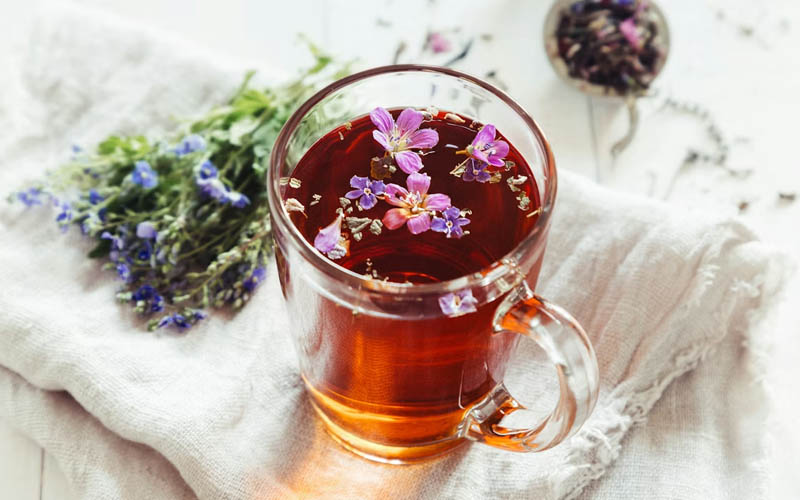

I’ll be honest — herbal tea seemed ridiculous to me until 2019. A brutal stretch of work deadlines had me staring at the ceiling at 2am, three nights running. A friend suggested chamomile. I rolled my eyes, tried it anyway, and never fully recovered from being wrong about it.
My kitchen cabinet now looks like a small apothecary. Not because I’ve gone full wellness influencer. Because this stuff actually works, and it costs a fraction of whatever the supplement industry is trying to sell you.
Here’s what nobody tells you upfront: most commercial “stress relief” teas are underwhelming. Grocery store blends get cut with fillers and people steep them for three minutes and shrug. Making your own homemade herbal tea for stress relief — real dried herbs, proper steeping times, correct ratios — is genuinely a different experience.
1. Chamomile and Lemon Balm Blend
Classic for a reason. Chamomile contains apigenin, a flavonoid that binds to GABA receptors in your brain — the same receptors targeted by anti-anxiety medications, just far more gently. Lemon balm amplifies that effect rather nicely.
Use 1 tablespoon dried chamomile flowers plus 1 teaspoon dried lemon balm. Steep in 8 ounces of water at 200°F for a full 10 minutes (most people stop at 3-4 and wonder why nothing happens). Cover the cup while steeping — the volatile oils will escape if you don’t.
2. Lavender and Passionflower Tea
Underrated pairing. Passionflower appeared in a 2001 controlled trial published in the Journal of Clinical Pharmacy and Therapeutics, where it performed comparably to oxazepam for generalized anxiety. That’s genuinely not nothing.
Dried lavender plus passionflower makes a slightly floral, slightly earthy brew. Go easy on the lavender — one teaspoon per cup is your ceiling, or it starts tasting like soap. Steep at least 8 minutes.
3. Ashwagandha Root Tea
Adaptogen territory here. Ashwagandha helps regulate cortisol, and a 2019 study in Medicine found that 240mg daily reduced cortisol levels by 22.2% over 60 days. Tea won’t deliver a clinical dose, sure — but a daily cup still contributes something real.
Simmer (don’t just steep) a one-inch piece of dried root for 15 minutes. Add cinnamon and honey. The taste is earthy and assertive — whether you enjoy that is entirely your call.
4. Holy Basil (Tulsi) Tea
This one’s my current daily driver. Tulsi is revered in Ayurvedic tradition for a reason, and it genuinely takes the edge off a chaotic afternoon in ways I find hard to explain but keep relying on.
Steep 2 teaspoons of dried holy basil leaves for 6-8 minutes. Squeeze in some lime. It’s refreshing, slightly peppery, and completely calming. I drink it around 3pm when everything on my to-do list suddenly feels catastrophic.
5. Valerian Root Tea
Fair warning: it smells like old socks. Seriously. But valerian is legitimately powerful for sleep-related anxiety — that particular spinning-thoughts variety that ramps up the moment your head hits the pillow.
Steep one teaspoon dried valerian root for 10-15 minutes in water just under boiling. Add strong honey to fight the flavor. Give yourself 30-45 minutes between drinking this and actually wanting to sleep.
6. Green Tea with L-Theanine Boost
Whole dried green tea leaves (not bags) contain meaningful L-theanine, which promotes calm focus without the drowsiness. Brew at 175°F — boiling water makes it bitter and wrecks the beneficial compounds before you’ve even poured it.
7. Peppermint and Rose Petal Tea
Peppermint relaxes smooth muscle tension throughout your body — that physical tightness stress parks in your shoulders and gut. Rose petals are mildly sedative and smell incredible. Two teaspoons peppermint, one teaspoon dried rose petals, 7 minutes steeping. Simple.
8. Skullcap Tea
Lesser known, worth knowing. Skullcap (Scutellaria lateriflora) is a North American herb with real nervine properties — meaning it directly calms the nervous system rather than just making you sleepy. A 2014 Alternative Therapies study found significant improvements in global mood without any reduction in energy. One teaspoon, steep 10 minutes.
9. Oat Straw Tea
Not glamorous. But oat straw — the green stems of the oat plant — is one of the better long-term nervous system tonics you’ll find anywhere. Drink it daily for two weeks and pay attention to your baseline stress levels. Most people notice something shifting.
Bottom Line
Here’s the thing I haven’t seen spelled out anywhere else: the ritual matters as much as the herb itself. Brewing a cup forces you to stop, boil water, wait, hold something warm. That 12-minute process is already interrupting your stress response before you’ve taken a single sip. Your nervous system doesn’t distinguish between “herb working” and “intentional pause from chaos.” So even if you’re skeptical about the biochemistry (fair enough), the act of making tea is therapeutic on its own terms. Pick one herb. Get good at it. Build from there.
Frequently Asked Questions
How long should I steep homemade herbal tea for stress relief?
Most store-bought instructions say 3-5 minutes — and that’s too short if you want medicinal-strength results. Aim for 8-15 minutes depending on the herb, always covered, to hold onto those volatile compounds.
Can I mix multiple stress-relief herbs in one cup?
You can, and many combinations genuinely enhance each other (chamomile with lemon balm being the obvious example). But start with two or three herbs maximum so you can actually figure out what’s working for your specific body.
Are there any herbs I should avoid if I’m on medication?
Valerian and passionflower can interact with sedatives and benzodiazepines. Ashwagandha may affect thyroid medications. If you’re managing a diagnosed condition or taking prescriptions regularly, check with your doctor before adding these to your routine.
How often should I drink herbal tea for anxiety benefits?
Daily consistency beats occasional large doses every time. One cup a day for 2-3 weeks will do more for you than drinking three cups during a single stressful moment.
“This article is for informational purposes only and should not replace professional medical advice.”

