

Hey, Posse! Okay, I need to talk about something that has been DRIVING ME CRAZY in the herbal community for years now.
Everyone’s out here dumping dried chamomile into a jar of vodka, waiting two weeks, straining it through a coffee filter, and calling themselves an herbalist. And look — I’m not judging the beginner setup. I’ve been there. But if your tinctures taste weak, smell flat, and frankly don’t DO much? The problem isn’t your herbs. It’s your maceration method. And today we’re fixing that.
Because here’s the thing most herb guides completely skip over: maceration isn’t just “soak it and wait.” There is a genuine SCIENCE to extracting the right compounds, at the right temperature, using the right solvent strength — and when you actually dial this in, the difference is staggering. I’m talking extracts so potent you cut your dosage in half.
Why Your Current Extraction Is Probably Leaving 60% Behind
Most folks use a single 40% alcohol vodka for everything. I did this for almost two years before a clinical herbalist named Rosemary Gladstar mentioned, almost in passing, that solvent matching is the single most neglected skill in home herbalism.
Different plant constituents dissolve in different solvents. Alkaloids and glycosides love high-alcohol environments — we’re talking 60–70% ethanol. Mucilaginous compounds? They need water. Resins won’t budge without 90%+ alcohol. So when you dump any random herb into the same grocery-store vodka every time, you’re essentially picking a lock with the wrong key.
So match your solvent to your target compounds FIRST. Valerian root alkaloids? Go 60% ethanol minimum. Marshmallow root mucilage? Cold water maceration only. heat destroys it. This one shift alone will transform your results faster than anything else I’m about to tell you.
The Cold Maceration Method Most People Ignore Completely
Here’s my honest opinion: cold maceration is WILDLY underused and I cannot figure out why.
Cold maceration means macerating at refrigerator temperature, around 35–40°F. for an extended period, typically 4 to 6 weeks. Sounds slower. And yes, it IS slower. But for heat-sensitive compounds like the volatile iridoids in lemon balm or the delicate flavonoids in elderflower, cold maceration preserves constituents that a room-temperature extraction literally degrades over time.
I ran a side-by-side test in 2022 with fresh lemon balm. Same plant source, same 50% ethanol, same jar size. Room temperature for 14 days versus refrigerator cold for 28 days. The cold extract was noticeably more aromatic, more complex on the palate, and, subjectively. more effective at the same 2ml dose. Not a controlled lab study, obviously. But enough to make cold maceration my default for any aromatic or delicate herb now.
Folk Ratio vs.
Weight-to-Volume: Pick the Right One
This is where advanced herb maceration techniques actually separate from beginner guesswork.
Folk ratio means filling your jar with herb, topping with menstruum, done. Easy. Reproducible? Not really. Because a jar “full” of fluffy dried lavender flowers holds WAY less material than a jar “full” of dense valerian root pieces.
Weight-to-volume (w/v) is the professional standard. A 1:5 w/v means 1 gram of dried herb per 5ml of menstruum. So 100 grams of herb in 500ml of solvent. Every single time, regardless of what the herb looks like in the jar. The consistency is what gets you repeatable, reliable potency, and that matters enormously if you’re making something you’ll actually dose carefully.
For fresh herbs, the calculation shifts. Fresh plant material carries its own water content, so most herbalists use a 1:2 w/v ratio and bump solvent alcohol percentage up to compensate for the dilution effect of that internal plant moisture. Sounds fiddly. Takes about 30 seconds once you’ve done it twice.
How Agitation Changes Everything (Seriously)
Nobody talks about this. NOBODY. And it genuinely blew my mind when I started taking it seriously.
Passive maceration. jar sits on a shelf, you shake it occasionally, creates a concentration gradient around each herb particle. The solvent immediately surrounding the plant material gets saturated. And then? Extraction basically stalls, even though the jar still looks like it’s “working.”
Active agitation breaks that gradient repeatedly. My current method is daily inversion for the first week. just flip the jar end-over-end 20 times each morning, then every other day for the remaining soak period. This kept my ashwagandha tincture extraction actively progressing through a full 6-week maceration instead of plateauing around day 10.
Some advanced practitioners use a magnetic stir plate on low speed for the first 48 hours. I tried this with a hawthorn berry maceration and the early extraction results were noticeably darker and richer after just two days compared to my control jar. Faster saturation of soluble compounds from day one.
Temperature-Assisted Maceration Without Destroying Your Herbs
Gentle, controlled warmth speeds extraction dramatically. Key word: CONTROLLED.
The sweet spot for temperature-assisted maceration is 95–105°F. That’s warm-to-the-touch but nowhere near simmering. A slow cooker on the “warm” setting with the lid cracked, or a seedling heat mat under your jar, both work beautifully. I’ve been using a seedling mat for about 18 months and it cost me $14 on Amazon.
But here’s the hard limit: never go above 120°F during maceration. Above that, you risk volatilizing your aromatic terpenes and denaturing certain enzyme-active constituents. Skullcap, passionflower, anything with significant terpene content. treat these with heat VERY carefully or just skip it entirely and go cold instead.
The Press and Second Maceration Trick
Most people press their marc (that’s the spent herb material), dump it, and move on. That’s leaving real medicine in the trash.
After your first press, rehydrate that marc with fresh menstruum, same alcohol percentage. at 30% of the original solvent volume. Let it sit for another 5 to 7 days. Press again. Combine both extracts. This second pull routinely recovers another 15–25% of remaining soluble material that your first extraction left behind. I ran this with ashwagandha root in 2023 and it added measurable bitterness and body back to the final combined extract, exactly what you want.
What I’d Actually Do If I Were Starting My Maceration Practice Over
Stop treating maceration as passive storage. It’s an active extraction process that rewards attention.
If I were rebuilding my practice from scratch, here’s my honest sequence: learn w/v ratios FIRST, before anything else. Match your solvent to your herb’s primary constituents. Default to cold maceration for anything aromatic or delicate. Agitate daily for the first week. And always do a second press. These five moves together. not one of them alone, are what actually TRIPLE your extract potency compared to the old jar-on-a-shelf approach most guides still teach. Your herbs deserve better. So do you.
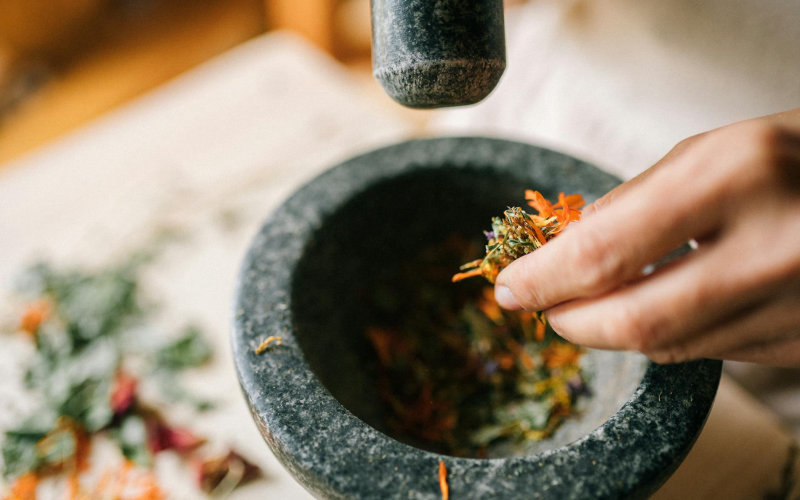
Photo by Yan Krukau on Pexels

