

Okay, so here’s a question I get ALL the time from people in my herbal community — do you use fresh or dried herbs when you’re making an infused vinegar? And honestly? Most guides online just say “either works fine!” and leave you hanging. That is NOT helpful. Because fresh and dried herbs behave completely differently in vinegar, and if you pick the wrong one for your goal, you’re either going to end up with weak medicine or a mushy, watered-down flavor situation that nobody wants.
I’ve been making herbal vinegars for about nine years now. My first batch — a tarragon vinegar I made back in 2015 — came out weirdly bitter because I crammed in sopping wet fresh tarragon without wilting it first. Lost a full bottle of good apple cider vinegar. So yeah, I learned this the hard way, and I want to save you the same headache.
Why This Choice Matters More Than You Think
Here’s the thing most herbal recipe tutorials completely skip. Vinegar is a water-AND-acid-based solvent, which means it pulls out two distinct categories of plant compounds: water-soluble ones (like flavonoids and some minerals) and acid-soluble ones (like alkaloids and certain volatile aromatics). The moisture content of your herb changes EVERYTHING about how that extraction actually plays out.
Fresh herbs contain anywhere from 70–90% water depending on the plant. Dried herbs have had most of that removed. That difference isn’t just about texture — it directly affects the concentration of what ends up in your finished vinegar.
The Case for Fresh Herb Vinegar
Fresh herbs bring an almost electric brightness to vinegar that dried simply cannot match. I’m talking about the kind of flavor that makes people stop mid-bite and ask what’s IN this dressing. A good fresh basil vinegar made with white wine vinegar in early July, when the basil is at absolute peak, smells like you bottled a Caprese salad.
But here’s where it gets tricky. Fresh herbs introduce water into your infusion. That dilutes the vinegar’s acidity. and acidity matters both for flavor balance AND for the vinegar’s ability to extract medicinal compounds efficiently. So the flavor can be gorgeous, but the medicinal pull? Slightly weaker than what you’d get from dried. The sweet spot, if you’re using fresh, is to wilt your herbs for 24 hours on a clean rack first. Reduces surface moisture dramatically without killing those vibrant volatile aromatics.
Fresh works BEST for: tarragon, basil, lemon balm, fresh garlic, chives, and any herb where fragrance is the whole point.
The Case for Dried Herb Vinegar
Now, don’t sleep on dried herbs. Seriously. When your goal is medicinal strength, think fire cider, oxymel base, or a daily immune tonic. dried herbs are genuinely better for the job in most cases.
Why? Because dried herbs are essentially pre-concentrated. The cellular walls have broken down during the drying process, which actually makes it EASIER for the vinegar to access the plant’s internal compounds. A dried rosemary vinegar left to infuse for four weeks will pull out more rosmarinic acid than a fresh rosemary version made the same way. Rosmarinic acid is one of the main anti-inflammatory compounds in rosemary, so that matters if you’re using your vinegar medicinally.
My herbalist friend Diane, who’s been running her apothecary out of Portland, Oregon since 2009, swears by dried nettles in apple cider vinegar for mineral extraction. Four tablespoons of dried nettle leaf to one cup of raw ACV, four weeks in a cool dark cupboard. She’s tested her batches and found measurably higher mineral content compared to fresh nettle versions. That’s real, practical evidence.
Dried works BEST for: nettles, elderberries, rosemary, thyme, oregano, ashwagandha root, and any herb where you’re chasing medicinal density over aroma.
The Moisture Problem Nobody Talks About
So fresh herbs are flavorful but watery. Dried herbs are potent but sometimes flat. Here’s the uncomfortable truth most herbal blogs sidestep: if you use fresh herbs WITHOUT wilting them first, you risk mold. Not immediately, usually around week two of your infusion. The extra moisture creates pockets of diluted acidity right around the plant material, and bacteria can take hold before the vinegar has a chance to fully saturate the herb.
I watched this happen to a beautiful fresh chive vinegar I made in June 2022. Day 12, faint fuzzy growth on two stems near the jar’s shoulder. The WHOLE batch had to go. So if you’re going fresh, wilt first. Every single time.
Flavor Complexity: Head-to-Head
Let me break this down clearly. Fresh herb vinegar tends to be brighter, more aromatic, and better suited for culinary uses. salad dressings, marinades, finishing drizzles. The flavor profile reads as alive and immediate on your palate.
Dried herb vinegar tends to be deeper, more complex, sometimes slightly earthy. It ages beautifully, a dried thyme and black pepper vinegar I made in October 2023 tasted completely different (and genuinely better) at the six-month mark than it did at four weeks. That depth develops over time in a way fresh versions rarely do.
For flavor ALONE? Fresh wins. But only barely, and only if you manage the moisture correctly.
Medicinal Strength: The Honest Comparison
Here’s my actual take after years of making both. For most medicinal applications. mineral-dense tonics, antimicrobial preparations, daily immune support, dried herb vinegar infusions consistently outperform fresh. The concentration is higher. The extraction is more complete. And the shelf stability is better, which means your medicinal compounds stay active longer.
A 2018 study published in the Journal of Food Science confirmed that acetic acid (vinegar’s active component) extracts phenolic compounds more efficiently from dried plant material than fresh, specifically because lower water content means less competition during the extraction process. That’s the science backing up what experienced herbalists have been saying for decades.
That said, if your goal is culinary. flavor, aroma, brightness, fresh herbs in vinegar are genuinely spectacular and worth every extra step.
What I’d Do
Pick based on your PURPOSE, not your convenience. If you’re making something to eat, go fresh and wilt those herbs first. If you’re making something to heal, go dried and give it a full four weeks minimum before you even crack the lid.
And honestly? The best approach I’ve landed on is this: make BOTH. Keep a fresh tarragon vinegar for your salads and a dried rosemary-thyme vinegar in your medicine cabinet. They’re not competing. They’re solving two completely different problems. That’s the nuance most people miss when they ask me which one wins. the real answer is that they’re both winning, just in different arenas.
FAQ
Can you mix fresh and dried herbs in the same vinegar infusion?
Yes, absolutely, but be intentional about it. Use dried herbs as your medicinal base and add wilted fresh herbs for aroma boost. Don’t combine freshly cut wet herbs with dried ones without wilting first, or you’ll get uneven moisture distribution and potential spoilage.
How long should a fresh herb vinegar infusion sit before using?
Minimum two weeks for culinary use, three to four weeks if you want full flavor development. Fresh herb infusions peak faster than dried ones because the volatile aromatics release quickly.
What type of vinegar works best for both fresh and dried herb infusions?
Raw, unfiltered apple cider vinegar is the gold standard for medicinal preparations. the live cultures and mother intact. For culinary fresh herb vinegars, white wine or champagne vinegar gives you a cleaner flavor backdrop that doesn’t compete with delicate herbs like basil or tarragon.
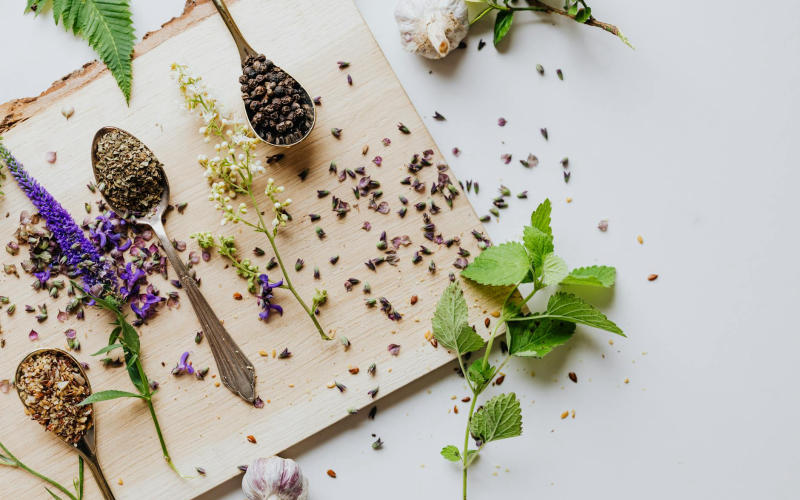
Photo by www.kaboompics.com on Pexels

