

Hey Posse! Okay, real talk — if you’ve ever dried a batch of herbs at home and ended up with something that smells like lawn clippings and tastes like absolutely nothing, this one is FOR YOU.
I’ve been growing and drying herbs for over a decade. And I made basically every single mistake on this list before I figured out what was actually going wrong. The good news? These mistakes are SO fixable once you know what to look for. So let’s get into it.
Harvesting at the Wrong Time of Day
This one surprises people EVERY time. Most folks just snip herbs whenever it’s convenient — mid-afternoon, after work, whenever. But here’s the thing: the essential oils in your herbs (the stuff that creates flavor and potency) are at their highest concentration right BEFORE the heat of the day kicks in.
The sweet spot is morning, just after the dew has dried but before 10 a.m. I tested this myself with two batches of lemon balm harvested from the same plant — one at 8 a.m., one at 3 p.m. The afternoon batch was noticeably flatter in smell and taste after drying. Not dramatically, but enough to matter.
Washing Herbs Right Before Drying
Okay this one makes total sense to do. and it’s totally wrong. Washing your herbs adds moisture, and moisture is the ENEMY of good drying. Any water left on the leaves when you start drying basically invites mold, uneven drying, and that gross hay-like smell nobody wants on their culinary herbs.
So what do you do instead? Harvest from clean plants. Give them a gentle shake to remove any bugs or debris. If you genuinely must rinse them, do it the night before harvest, not right before you dry. Dry matters. Always.
Drying in Direct Sunlight
This feels counterintuitive. Sunlight is warm, sunlight is free, sunlight seems like the obvious choice. But direct sun DESTROYS the volatile oils that give herbs their potency. We’re talking UV degradation, the same reason you store olive oil in a dark bottle.
A 2021 study from the University of Kaiserslautern in Germany actually measured chlorophyll and essential oil retention across different drying methods. Shade-dried herbs retained significantly more of both. So find a warm, dry spot with good airflow that gets zero direct sun. A covered porch, an interior room with a fan, a shaded garage. all better options.
Bundling Too Many Stems Together
And this is where so many beginners go wrong. I get it, you’ve got a big harvest, you want to hang it all up at once, so you make one giant gorgeous bundle and call it done. But dense bundles trap humidity in the center. The outer herbs dry fine. The inner stems? Moldy. Or worse. they just never fully dry and end up musty.
Keep your bundles to 6-8 stems MAX for delicate herbs like basil and mint. Woody herbs like rosemary can handle maybe 10-12. Thinner bundles, better airflow, better results. Every time.
Using Too Much Heat When Oven-Drying
Now, I love oven-drying as a method for when you’re in a hurry. But most people crank the oven way too high. You’ll see guides saying 250°F (121°C) and I’ve seen some suggest even higher. That’s too hot. It drives off the volatile compounds, the terpenes, the flavanoids, the actual good stuff. before they have a chance to stay locked into the dried leaf.
The real sweet spot for oven-drying is 95–115°F (35–46°C). Yes, that low. In a standard oven that means the lowest possible setting, door slightly cracked open. Takes longer, usually 2 to 4 hours depending on the herb. but the flavor difference is genuinely remarkable. I did a side-by-side with oregano once and the low-temp batch smelled like a pizzeria. The high-temp batch smelled like cardboard. No exaggeration.
Not Drying Herbs Completely Before Storing
This is probably the single most common mistake people make with drying herbs at home. They feel dry. They look dry. So into the jar they go. But “feels dry” and “IS dry” are two very different things, and any residual moisture in that sealed jar will create condensation and mold within days.
The test I use: crumble a leaf between your fingers. It should crumble easily and cleanly, not bend or feel at all pliable. If it bends even slightly, it needs more time. Another solid method, put a small batch in a sealed glass jar for 24 hours and check for any condensation on the inside of the glass. Moisture appearing means you’re not done yet.
Storing in Clear Containers Near a Window
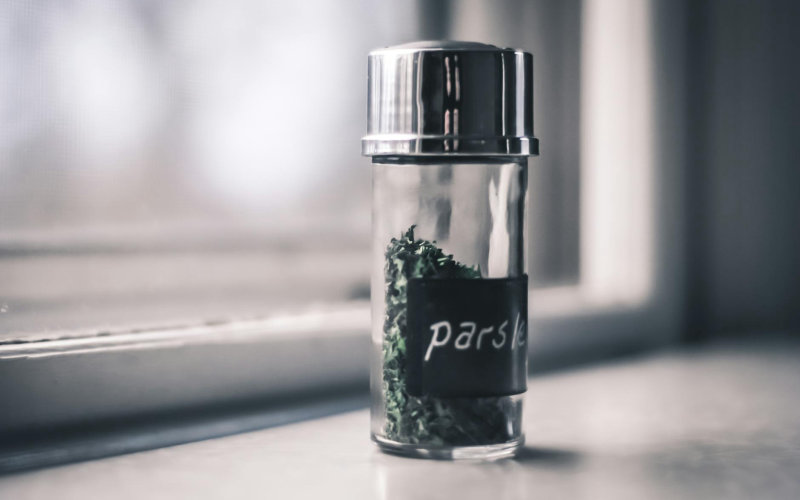
So you did everything right. You harvested at dawn, shade-dried perfectly, got them bone dry. And then you stored them in a cute clear glass jar on your sunny windowsill. I know it looks beautiful. And it is RUINING your herbs.
Light and heat accelerate the breakdown of essential oils faster than almost anything else. Amber or dark glass jars in a cool cabinet or pantry. that’s the move. If you only have clear jars (totally fine, me too), just store them somewhere dark. Inside a cabinet, in a drawer. Out of light. Out of heat. Your herbs will hold their potency for up to a year instead of going stale in 6-8 weeks.
Ignoring Which Herbs Shouldn’t Be Air-Dried at All
This one gets glossed over in basically every beginner’s herb guide, and honestly it drives me a little crazy. Not all herbs respond equally to air-drying. High-moisture herbs, I’m talking basil, chives, cilantro. genuinely lose most of their flavor and turn brown when air-dried. They’re just not built for it.
For those herbs, you’re better off with freeze-drying or simply freezing them fresh (chop and freeze in ice cube trays with a bit of water or olive oil). Basil especially, freeze it or make it into pesto, because dried basil from the store and dried basil you air-dried at home are both sad shadows of what fresh basil tastes like. Some things just don’t translate.
The Honest Truth
Most drying-herbs-at-home mistakes come down to the same root problem: rushing. People harvest whenever, dry however fast, store immediately. The whole process takes patience, and patience genuinely pays off here. The batch of thyme I dried slowly last August. shade-hung for 10 days in my laundry room, is still fragrant and potent sitting in a dark jar in my pantry right now. That’s the result you want. And with these fixes, it’s absolutely the result you can get.
Start with one change. Fix your harvest timing, or your bundle size, or your storage. You don’t have to overhaul everything at once. Pick the mistake that sounds most like YOU and fix that one first. Then keep going.
Photo by Steve A Johnson on Pexels

