
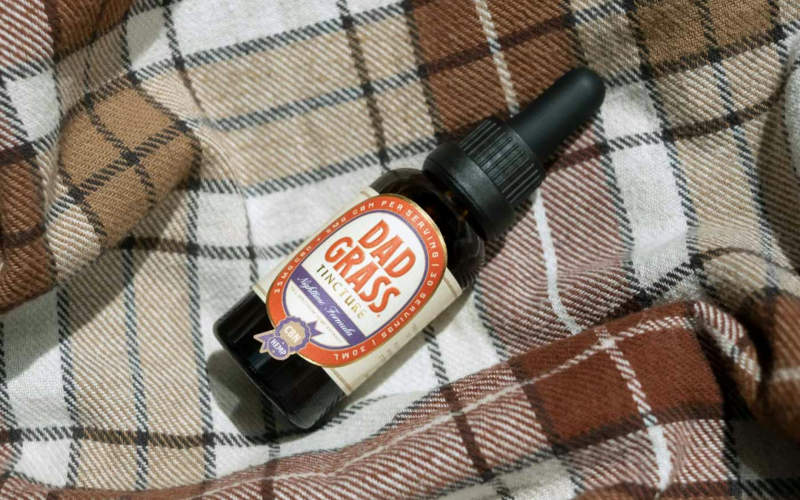

I spent $67 on a bottle of echinacea tincture at Whole Foods last spring. Sixty-seven dollars. For something I later found out costs maybe $4 to make at home with dried herb and a bottle of vodka.
That was my breaking point with commercial herbalism. After three years of experimenting, screwing things up, and talking to actual clinical herbalists—including Rosemary Gladstar, who’s been teaching this craft since the 1970s—I’ve landed on seven tinctures that genuinely hold up. Not folk magic. Real herbs with real mechanisms behind them, studied and documented.
Here’s what most supplement blogs won’t bother telling you: tinctures you make yourself are often more potent than store-bought versions. You control the herb-to-menstruum ratio. You know exactly how old the plant material is. So let’s get into it.
What You Need Before You Start
The basic setup is almost embarrassingly simple. Glass mason jar, a dark dropper bottle, cheesecloth, and your menstruum—just the herbalism word for solvent, usually alcohol.
For alcohol-based tinctures, 80-proof vodka (40% alcohol) handles most fresh herbs just fine. Dried herbs and resins need something stronger—aim for 190-proof grain alcohol like Everclear, diluted to roughly 60%. The standard folk method ratio is 1:5 for dried herbs (1 gram herb to 5 ml liquid) and 1:2 for fresh. These numbers matter more than most beginners expect.
Maceration time runs 4 to 6 weeks, shaking the jar daily. Yes, daily. Set a phone reminder now.
1. Echinacea Tincture for Immune Support
This is the gateway drug of home herbalism. What you want is Echinacea purpurea root—not the aerial parts, not some vague “echinacea blend.” The root.
A 2015 meta-analysis in Evidence-Based Complementary and Alternative Medicine covered 24 randomized trials and found echinacea preparations cut the incidence of the common cold by about 58% and shortened duration by 1.4 days. That’s genuinely meaningful. And the commercial products with the worst results? Mostly standardized extracts that stripped out half the active constituents.
Use dried root at a 1:5 ratio in 60% alcohol. After 6 weeks, your dose is 2 to 4 ml, three times daily at the first sign of illness. Don’t take it continuously beyond 10 days—short bursts work, chronic use doesn’t.
2. Ashwagandha for Stress and Cortisol
Ashwagandha (Withania somnifera) has gotten trendy enough that the supplement market is now flooded with garbage. I’ve seen “ashwagandha capsules” containing maybe 200mg of root with zero withanolide content listed. Completely useless.
But the actual research here is solid. A 2019 double-blind trial in Medicine journal—60 participants, 60 days—found 240mg of ashwagandha extract daily significantly dropped cortisol levels and self-reported stress scores versus placebo. Make your tincture with dried root at 1:5 in 60% alcohol. It tastes earthy and slightly bitter. That’s normal, not a sign something went wrong.
Typical dose is 3 to 5 ml once or twice daily. Unlike echinacea, this one you can take consistently over time.
3. Valerian Root for Sleep
Valerian divides people. Some swear by it. Others say it does nothing—or worse, leaves them feeling wired and foggy the next morning. Here’s what I’ve figured out after experimenting: that paradoxical stimulant effect almost always happens when the dose is too low.
The sedative compounds—valerenic acid and isovaleric acid—have to hit a threshold to do anything. Studies with positive results typically used 300 to 600mg of root extract. In tincture form, that works out to roughly 4 to 6 ml of a 1:5 tincture in 40-60% alcohol, taken 30 to 45 minutes before bed.
Fair warning though: valerian smells absolutely terrible. Old socks marinated in something worse. You will question your choices when you crack that jar at week 4. Push through it anyway.
4. Hawthorn Berry for Cardiovascular Health
Not enough people talk about hawthorn. It’s been a fixture of European herbal medicine for heart health since at least the early 1800s, and it’s one of the rare herbs with clinical trial support for mild congestive heart failure—specifically the WS 1442 extract studied in the SPICE trial, which followed 2,681 patients.
Make your tincture with dried hawthorn berries and leaves together at 1:5 in 40% alcohol. Berries alone work, but the combination is stronger. Dose is 2 to 3 ml twice daily. And if you have an actual cardiac condition, please talk to your cardiologist before starting this. It is not a substitute for heart medication.
5. Lemon Balm for Anxiety and Viral Infections
Lemon balm (Melissa officinalis) might be the most underrated plant you can grow at home. It’s antiviral against herpes simplex (both topically and internally), mildly anxiolytic, and tastes like lemon candy. What’s not to love here, seriously?
Use fresh lemon balm if you can grow it—the essential oils responsible for most of its action degrade significantly once the plant dries. Fresh herb at a 1:2 ratio in 95% grain alcohol diluted to about 70%. Pack the jar tight, cover with solvent, let it sit 4 weeks.
For anxiety, dose is about 2 to 4 ml as needed. It’s gentle enough that some herbalists use it with children—though scale the dose way down for kids.
6. Milk Thistle Seed for Liver Support
Here’s something worth knowing: silymarin, the active compound in milk thistle, is poorly extracted by water alone. Milk thistle tea is essentially a waste of time. You need alcohol, and you need to grind those seeds first.
Coarsely grind dried milk thistle seeds in a coffee grinder. Pack immediately into your jar and cover with 60 to 70% alcohol at a 1:4 ratio. Because silymarin is also fat-soluble, I add about 10% glycerin by volume to the menstruum—some herbalists skip this, but I’ve found it helps. After 6 weeks, dose is 3 to 5 ml three times daily before meals.
7. Elderberry for Antiviral Defense
Every major health store sells elderberry syrup for $25 to $40 a bottle. Your homemade tincture—dried elderberries, 1:5 ratio, 40% alcohol, 4 weeks—costs maybe $6 in materials and lasts longer.
A 2016 randomized trial in Nutrients found elderberry extract significantly cut the duration and severity of colds in air travelers by an average of 2 days. The mechanism involves inhibiting viral surface proteins. One important note: the berries must be dried or cooked before use (raw elderberries cause nausea), so dried herb is actually your friend on this one.
Bottom Line
Here’s something the herbal supplement industry genuinely doesn’t want you sitting with: the standardization process that makes commercial tinctures “consistent” also strips out synergistic minor constituents that researchers increasingly believe are responsible for much of the clinical effect. Your messy, whole-plant, home-macerated tincture—with all its chemical complexity intact—may actually outperform the cleaner, pricier bottle on the shelf. The “impurities” might be the medicine.
Frequently Asked Questions
How long do homemade tinctures last?
Alcohol-based tinctures stored in dark glass away from heat stay potent for 3 to 5 years. The alcohol preserves the plant material and keeps microbial growth at bay. Label every bottle with the date and herb name—you will absolutely forget otherwise.
Can I use vegetable glycerin instead of alcohol?
Yes, glycerites are a real option—particularly for kids or anyone avoiding alcohol. But they extract fewer compounds and have a shorter shelf life (roughly 1 to 2 years). For most medicinal applications, especially with roots and seeds, alcohol works significantly better.
Is it safe to take multiple tinctures together?
Usually, but not always. Valerian stacked with other sedatives is a real concern. And St. John’s Wort—intentionally left off this list—interacts with dozens of pharmaceutical drugs. If you’re on any prescription medication, check herb-drug interactions before adding anything new.
Where do I buy quality dried herbs for tinctures?
Mountain Rose Herbs out of Oregon has been my go-to since 2019. Bulk Herb Store is another solid option. Avoid Amazon for medicinal herbs—quality control is basically nonexistent, and a 2021 independent analysis turned up significant adulteration in several bestselling herb listings.
This article is for informational purposes only and should not replace professional medical advice.
Photo by Dad Grass on Pexels

