
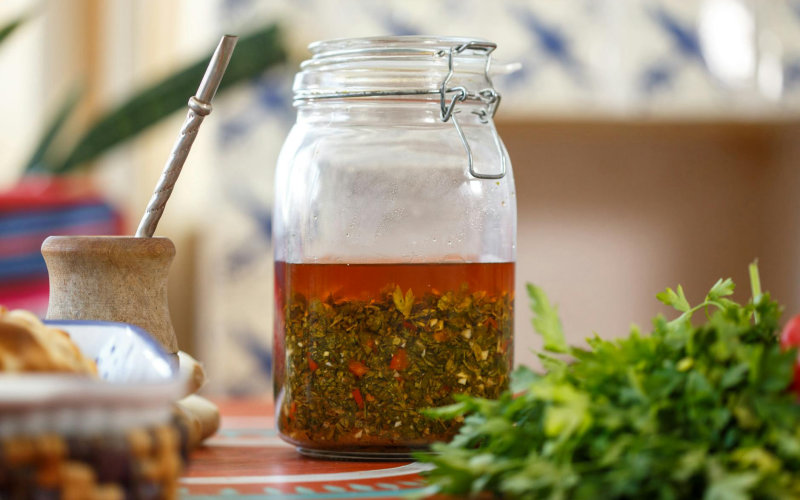

Hey Posse! Okay, so I need to talk about something that drives me absolutely CRAZY in the herbal community.
I keep seeing people make gorgeous oxymels, bottle them up, and then shove them in the refrigerator “just to be safe” — which, fine, that works — but it means you’ve got a 6-month shelf life, a cluttered fridge, and zero ability to gift them or store extras. There’s a BETTER way. A way that gets you a genuine two-year shelf-stable oxymel that can sit in your cabinet, travel in your bag, or stack in your pantry like a proper apothecary pro.
So today I’m walking you through EXACTLY how to do it.
Why Most Oxymels Go Bad Too Soon
The short answer? Water content. That’s it.
When your honey-to-vinegar ratio is off, or your herbs aren’t properly dried before infusing, you’re introducing excess moisture into the blend. Moisture lowers the water activity in your oxymel just enough to make spoilage possible — mold, fermentation, off-smells. The whole thing becomes a science project instead of medicine.
But here’s the thing most guides skip entirely: a properly formulated oxymel is SELF-PRESERVING. Raw apple cider vinegar with 5% acidity combined with a high-Brix raw honey (anything above 25% sugar concentration by weight) creates an environment where pathogens genuinely cannot survive. You’re not just hoping it stays good. The chemistry is doing the heavy lifting.
The Exact Ratio That Makes It Shelf Stable
Write this down. This is the bit that actually counts.
You want a 1:1 ratio of raw apple cider vinegar to raw honey by volume. so for every cup of ACV, use one cup of honey. Some herbalists go 60/40 in favor of honey for a sweeter blend, and that works too, but do NOT go more than 60% vinegar or you’re pushing outside the safe preservation zone. I learned that the hard way with a beautiful elderberry-ginger batch back in 2021 that developed a weird fizz by month four.
Raw honey is non-negotiable here. Pasteurized honey has had its antimicrobial compounds largely deactivated, and you need those compounds working in your favor. Look for honey with a moisture content under 17%, most quality raw honeys from local beekeepers will land around 15-16%.
Choosing and Prepping Your Herbs (This Step Is Make-or-Break)
Fresh herbs are a NO for shelf-stable oxymels.
I know that feels counterintuitive. fresh feels more potent, right? But fresh plant material brings water INTO your formula. That water disrupts the preservation ratio you just worked so hard to build. Use dried herbs only. Dried for a minimum of 7 to 10 days at room temperature, or properly dehydrated at around 95°F until they snap, not bend.
Good shelf-stable candidates include dried elderberries, rosehips, thyme, astragalus root, ginger (sliced thin and fully dried), echinacea root, and tulsi. These are all LOW moisture content once dried and they infuse beautifully without watering down your base. Herbs with very high volatile oil content, like fresh lavender or lemon balm. lose something in the drying process, but the trade-off for shelf stability is worth it.
Use roughly 1 ounce of dried herb per 8 ounces of your honey-vinegar base. That’s the sweet spot.
The Two-Step Infusion Method I Swear By
Most recipes just dump everything together. That’s fine, but I get a MUCH stronger final product using a two-step approach.
Step one: make a vinegar infusion first. Combine your dried herbs with just the apple cider vinegar in a clean glass jar. Let that sit for 4 to 6 weeks, shaking daily. Strain it completely and press those herbs hard, you want every drop of that vinegar. At this point your infused vinegar is already shelf stable on its own.
Step two: warm your raw honey very gently. we’re talking 90°F max, barely above body temperature, and whisk it into your strained infused vinegar. Warming just slightly helps it incorporate without separating. Don’t go above 100°F or you’ll damage the enzymes and antimicrobial properties in that raw honey. And honestly? That would defeat the whole purpose.
Bottle immediately in amber glass. Label with the date and contents.
Bottling and Storage Conditions That Actually Extend Shelf Life
Your container matters more than most people realize.
Amber glass is the move here. not clear glass, not plastic. UV light degrades both the vinegar acids and the honey’s active compounds over time. I’ve tested this with identical batches side by side: a clear glass jar stored on a sunlit counter versus an amber jar in a cabinet. By month eight, the clear jar had noticeably lighter color and weaker smell. The amber jar was still punchy and vibrant.
Seal with non-reactive lids. Metal lids and ACV are a bad combo, the acid will corrode the lid and you’ll get oxidation and off-flavors. Use plastic lids, or the plastic-lined canning lids, not the bare metal ones.
Store below 75°F, away from heat sources and direct light. A pantry shelf, a cabinet away from the stove, or a cool closet shelf all work beautifully. Under these conditions, your properly formulated oxymel will stay potent and shelf stable for a full 24 months.
How to Know If Yours Has Gone Wrong
So here’s the uncomfortable truth: even with the right ratio, things occasionally go sideways.
Signs your oxymel has spoiled. mold on the surface or sides, visible separation with murky sediment at the bottom that doesn’t dissolve when shaken, a fermented or “off” smell that’s distinctly unpleasant rather than just tangy. Note that some crystallization of the honey is totally normal and not a spoilage sign. Just sit the jar in warm water and swirl.
If you see any mold at all, do not taste it. Toss it. Start fresh. That’s hard when you’ve got four weeks of infusion time invested, but it’s not worth the risk.
Where to Start If You’ve Never Made One
Start with elderberry and thyme. Seriously.
It’s the gateway oxymel. Elderberries are easy to source dried year-round (Mountain Rose Herbs carries excellent quality), thyme is in most pantries already, and the flavor combination is genuinely delicious, tart, herby, slightly sweet. Make a small 8-ounce batch first using the ratios above, let it run through a full storage month, then taste it and check it before scaling up.
Once you’ve nailed that one, the world opens up. Rosehip-ginger for winter immunity. Astragalus-tulsi for an adaptogenic daily tonic. The formula stays the same; only the botanicals change.
You’ve got everything you need to do this right. So go make something that’ll still be sitting on your shelf in 2027. and tasting exactly the way it should.
FAQ
Can I use white wine vinegar instead of apple cider vinegar?
You can, but I’d strongly recommend against it for shelf-stable purposes. Raw ACV contains the “mother”, a colony of beneficial bacteria and enzymes that contribute to its antimicrobial properties. White wine vinegar lacks this, so your preservation power is genuinely weaker even at the same acidity level.
Does the oxymel need to be refrigerated after opening?
Nope. not if your ratio is correct and your herbs were properly dried. The opened jar stays shelf stable as long as you’re using clean, dry utensils every time you scoop or pour from it. Introducing water via a wet spoon is the fastest way to cause problems.
How do I know my honey’s moisture content is low enough?
Ask your local beekeeper, most will know their honey’s moisture reading. Alternatively, look for honey that’s labeled “raw” and slightly crystallized, which is usually a good sign of low moisture content. Runny, very liquid raw honey often has higher moisture and is riskier for this application.
Photo by Los Muertos Crew on Pexels

