
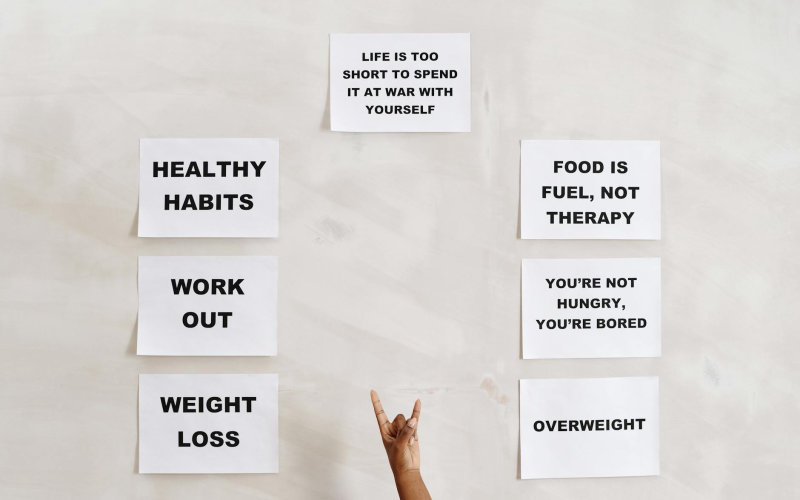

Hey Posse! Okay, so here’s something that genuinely messed with my head when I first learned it — some of the “healthy” habits we’re most proud of are quietly spiking our cortisol every single day. Like, the ones we post about. The ones our wellness-obsessed friends swear by. THOSE ones.
And here’s the uncomfortable truth most health blogs won’t say out loud: doing MORE wellness stuff doesn’t automatically mean less stress on your body. Sometimes it means the exact opposite. So before you add another morning ritual to your already-packed routine, read this first.
That 5 AM Wake-Up You’re Forcing Yourself Through
So many people — and I mean SO many — are waking up at 5 AM because some productivity guru said that’s when winners rise. But if your body naturally wants to sleep until 6:30 or 7, forcing that early alarm is a genuine cortisol trigger. Your body is still in its natural cortisol surge window between 6 and 8 AM anyway, and yanking yourself out of sleep an hour before that peak hits? You’re stacking stress hormones on top of groggy disorientation.
A 2022 study out of the University of Birmingham tracked sleep timing in 49,000 adults and found that people who slept against their chronotype. meaning their natural sleep-wake preference, had measurably higher morning cortisol than those who honored it. Not by a little. Meaningfully higher. So if 5 AM isn’t your natural zone, the hustle-culture wake-up call might be working against you.
Drinking Too Much Coffee “For Energy”
Look, I love coffee. Won’t pretend otherwise. But three or four cups a day, especially on an empty stomach, sends your adrenal glands into overdrive. Caffeine literally stimulates cortisol production. That’s not a fringe opinion. that’s well-documented physiology.
The sneaky part? If you’re already stressed, that cortisol response is amplified. A cup of coffee at 7 AM followed by a second at 10 and a third after lunch is essentially asking your nervous system to run a marathon every single day. Cut it to one or two cups, eat something first, and watch how your afternoon anxiety shifts. Genuinely surprised me the first time I tried it.
Intense Daily Workouts With Zero Recovery Days
This one is going to make some people mad. But hear me out.
HIIT five days a week is not a flex. It’s a cortisol grenade. High-intensity exercise causes a short-term cortisol spike, which is totally normal and fine, but ONLY if you give your body time to come back down before you spike it again. When you’re doing back-to-back hard sessions without real rest, that cortisol never fully drops. You end up in a state called overtraining syndrome, and trust me, it feels nothing like “getting stronger.” It feels like fatigue, irritability, and broken sleep.
Rest days aren’t laziness. They’re where the adaptation actually happens.
Obsessively Tracking Every Health Metric
Okay, this one is sneaky because it LOOKS like the most responsible thing in the world. You’ve got your Oura ring, your Garmin, your glucose monitor, maybe a journal tracking HRV and sleep scores. And every morning you wake up and immediately check your data.
But here’s what’s happening neurologically: the act of anxiously monitoring health metrics creates anticipatory stress. Dr. Ethan Kross at the University of Michigan has written extensively about how self-monitoring can tip into self-surveillance, triggering the exact threat-response loop that drives cortisol up. If you’re waking up and feeling dread before you even check your sleep score. that’s the sign. The data is supposed to serve you, not stress you out.
Restrictive Eating “Clean”
Clean eating can genuinely be a cortisol trap. When you’re restricting entire food groups, running on low calories, or skipping meals to stay on track, your blood sugar drops. And when blood sugar drops, your body releases cortisol to compensate by pulling glucose from storage. It’s a survival mechanism.
So that “clean” 1,400-calorie day where you cut carbs and skipped breakfast? Your body experienced that as a mild fasting-stress event. Multiple times. This is why so many people doing everything “right” still feel wired, anxious, and exhausted. Eat enough. Genuinely. Your adrenals will thank you.
Meditating But Hating Every Second of It
Now this one’s subtle. Meditation itself isn’t the problem. it’s one of the most evidence-backed cortisol-lowering tools we have. But forcing yourself to sit for 20 minutes when you genuinely can’t stand it, feeling frustrated and like you’re “failing at meditating” the whole time? That’s not relaxation. That’s another performance anxiety.
I tried Transcendental Meditation for about four months back in 2021 and spent most sessions feeling like I was doing it wrong, which created its own stress spiral. Switched to five-minute body scans and that worked so much better for my nervous system. Find the format that actually calms YOU down, not the one that sounds most impressive.
Doomscrolling Health Content Before Bed
Here’s an ironic one. Reading about how to lower cortisol at 10:30 PM, going down a wellness rabbit hole on Instagram, watching YouTube videos about adrenal fatigue. all of this is screen exposure that suppresses melatonin AND activates your threat-detection system if the content is alarming. Which health content often is.
Your brain doesn’t fully distinguish between watching something scary about your health and experiencing an actual threat. The cortisol response is similar. Set a hard cutoff at 9 PM for health content specifically. Regular scrolling is bad enough. Health anxiety scrolling at night is genuinely a different beast.
Social Wellness Commitments You Resent
Group fitness classes you committed to. Wellness retreats with friends. Daily accountability check-ins you said yes to when you wanted to say no. These sound supportive on the surface, but obligation stress is still stress. Cortisol doesn’t care if the stressor is a yoga class you resent attending or a deadline at work. Resentment and social pressure activate the same HPA axis response.
And here’s what nobody talks about: the guilt of canceling stresses you out MORE than the resentment of showing up sometimes. So you’re stuck in a loop. Be honest with yourself about which commitments are genuinely nourishing and which ones are just expensive obligations.
What I’d Actually Do
If I’m being real with you, the single biggest shift is getting off the “more is more” mindset around wellness. Your cortisol system doesn’t care how good your intentions are. It only knows whether your nervous system feels safe. One solid sleep, two cups of coffee max, two or three workouts a week with real rest between them, and zero guilt about not doing more?
That’s a healthier cortisol picture than a jam-packed optimized wellness routine that secretly stresses you out every single morning.
Start smaller. Do less. Mean it more.
Photo by Moe Magners on Pexels

