

The Myth Your Favorite Influencer Is Selling You
Okay, Posse. We need to talk about something that has been driving me ABSOLUTELY crazy.
Every time I open Instagram, I see another gorgeous, glowing influencer holding a cute little sachet of “detox tea” — promising it’ll “flush toxins,” “reset your liver,” and basically undo every questionable life choice you’ve made since 2019. And millions of people are buying it. Literally. The global detox tea market hit $1.3 billion in 2023. BILLION. With a B.
So today we’re tackling the do detox teas actually cleanse your liver myth head-on — because someone has to say what your wellness influencer absolutely won’t.
Your Liver Doesn’t Need a Tea Party
Here’s the thing your favorite #WellnessGuru is conveniently leaving out of their sponsored post.
Your liver is already a detoxification machine. A RIDICULOUSLY sophisticated one. It processes roughly 1.5 liters of blood per minute, neutralizes harmful compounds, converts ammonia into urea, and filters out waste — all without you drinking a single cup of anything marketed as “cleansing.” It has been doing this since the day you were born. It doesn’t need dandelion root and lemon peel to remember how.
Dr. Edzard Ernst, a professor of complementary medicine at the University of Exeter who has spent decades studying exactly these kinds of claims, put it bluntly back in 2012: there is no credible scientific evidence that any commercial detox product removes toxins from the body. That was over a decade ago. The science hasn’t changed. The marketing budgets have, though.
What’s Actually IN These Teas
Most detox teas are built around a short list of repeat ingredients. Senna leaf. Dandelion. Milk thistle. Licorice root. Green tea extract. Some of these have legitimate, studied uses. but NOT the ones being sold to you.
Milk thistle, for instance, contains silymarin, a compound that HAS shown some promise in specific liver disease research, like a 2017 clinical review published in the journal Phytomedicine. But here’s what that research actually says: it may support recovery in people with existing liver conditions, taken in standardized doses, under medical supervision. That is wildly different from claiming your $35 “28-Day Detox Blend” will “cleanse” a perfectly healthy liver.
Senna leaf is the one that really makes me frustrated. It’s a laxative. A legitimate, FDA-approved laxative for constipation. When detox teas cause that dramatic “cleansing” feeling people rave about in reviews? That’s not toxins leaving your body. That’s senna making your intestines contract. You’re not detoxing. You’re just… going to the bathroom more. A lot more.
The “Toxins” Nobody Can Name
Ask any detox tea brand, or their sponsored influencer. to name the specific toxins their product removes. Go ahead. I’ll wait.
They can’t. Because the word “toxin” in this context is essentially meaningless marketing language. If there were actual named toxins accumulating in your liver at dangerous levels, that would be called liver disease, and you’d need a hepatologist, not a herbal tea.
Real toxins that genuinely threaten liver function? Things like acetaminophen overdose, alcohol abuse, or hepatitis B. These are treated with actual medicine, not hibiscus and ginger blend.
When These Teas Stop Being Harmless
And now here’s the uncomfortable truth most wellness content won’t go near.
Some detox teas can actively DAMAGE your liver. The FDA has issued multiple warnings since 2017 about herbal teas and supplements containing pyrrolizidine alkaloids. compounds found in certain plants used in “natural” blends, which are directly toxic to liver cells and have caused real cases of hepatic veno-occlusive disease. That’s a potentially fatal condition.
There were also documented cases published in the BMJ Open Gastroenterology journal of young, otherwise healthy women developing drug-induced liver injury directly linked to commercial “detox” or “slimming” teas. These weren’t people with pre-existing conditions. These were people who believed what an influencer told them.
So the product being sold as liver protection can, in specific cases, cause the liver harm it claims to prevent. Let that sink in.
The Influencer Economy Behind the Myth
I want to be fair here, because I think a lot of wellness creators genuinely believe what they’re promoting. But the business model matters.
A macro influencer with 800,000 followers can earn anywhere from $8,000 to $25,000 per sponsored post for a supplement brand. That’s not a conspiracy. that’s just how influencer marketing works, and it’s all disclosed (usually). But when the financial incentive is that strong, and the regulatory oversight on supplement claims is that weak, the FDA regulates supplements far less strictly than pharmaceuticals. the result is a flood of confident health claims with essentially zero accountability.
The FTC has been cracking down. They issued updated endorsement guidelines in 2023 specifically addressing health-related claims. But enforcement is slow, the content cycle is fast, and by the time any action happens, the product has already sold.
So What Actually Supports Your Liver?
Since I’m not here to just tear things down, let’s talk about what genuinely works.
Limiting alcohol. Seriously, this is the single biggest lever most people have. Even moderate, consistent drinking contributes to fatty liver disease over time.
Maintaining a healthy weight matters enormously too; non-alcoholic fatty liver disease now affects roughly 25% of the global population, almost entirely driven by diet and metabolic factors. Getting vaccinated against hepatitis A and B. Managing any medications carefully, because acetaminophen is the leading cause of acute liver failure in the US.
Eating cruciferous vegetables. broccoli, Brussels sprouts, which contain compounds that genuinely support phase 2 liver detoxification enzymes. That’s real biochemistry, not a marketing tagline.
None of these things are sexy enough for a sponsored post. But they’re what actually moves the needle.
The Honest Truth
Here’s my honest take: I’m not mad at people who’ve bought detox teas. The marketing is genuinely compelling, the packaging is beautiful, and the promise is exactly what we want to hear. that there’s a simple, gentle fix that undoes our bad habits.
But you deserve better than a $40 box of laxative herbs dressed up in wellness language. Your liver is already working harder than any tea ever could. What it needs from you isn’t a “cleanse.” It needs you to stop overwhelming it with things it actually has to fight, alcohol, processed food, unnecessary supplements. and trust that this remarkable organ knows its job.
So next time you see a glowing influencer holding that cute little sachet? Remember: she got paid to hold it. Your liver didn’t get a say.
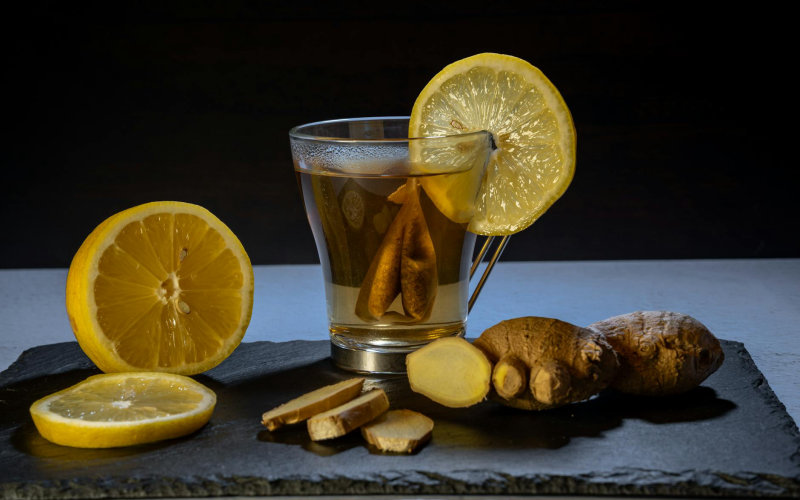
Photo by Gundula Vogel on Pexels

