
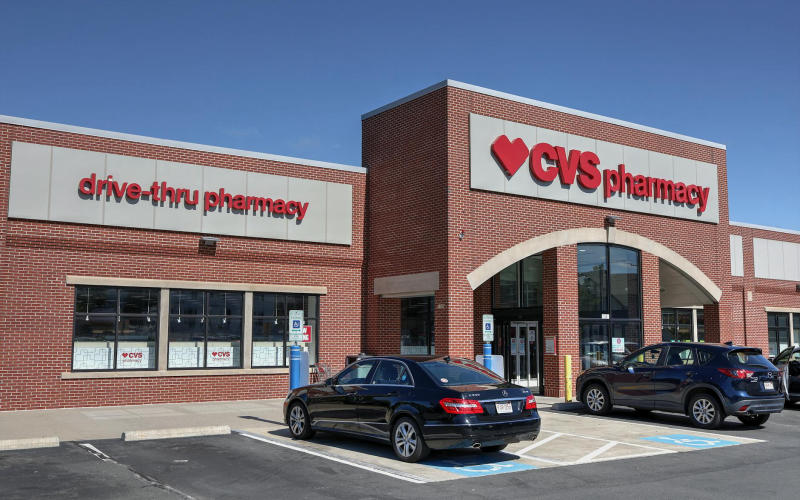

Here’s what most headlines get wrong: CVS isn’t just closing stores. It’s simultaneously opening new ones. That context matters a lot if you’re trying to figure out whether your local pharmacy is on the chopping block.
Yes, the closures are real. CVS shuttered roughly 900 locations between 2022 and 2024, then announced another 271 closures in its February 2025 annual report as part of a company-wide restructuring. But in 2026, for the first time in years, CVS is actually growing its store count — planning approximately 60 new openings, including a brand-new pharmacy-only format. So the “CVS is permanently closing these stores, effective immediately” story is true and incomplete at the same time.
What’s Actually Driving the Closures in 2026
CVS has been clear about its reasoning: population shifts, expired leases, and store density adjustments. Not theft, not the economy — mostly real estate math and demographic changes.
The company also launched a $2 billion cost-cutting initiative in 2024 that included eliminating 2,900 roles. In early 2026, Aetna/CVS Health filed a WARN notice to lay off 313 more employees in Hartford, Connecticut, between April and July 2026. So the restructuring is still very much in motion.
But here’s what’s interesting. CVS’s Q1 2026 earnings told a very different story. Revenue hit $100.43 billion. up 6.2% year-over-year, beating Wall Street’s estimate of $95.09 billion by more than $5 billion. Adjusted EPS came in at $2.57, against an expected $2.20. That’s not a company in crisis. That looks like margin optimization dressed up as survival.
The Closures That Weren’t Final
Something most coverage completely misses: CVS has reversed multiple announced closures after community pressure.
The 701 Van Ness location in San Francisco. originally set to close February 24, 2026, stayed open after backlash and a re-evaluation. The Reston Station location in Virginia, slated to close April 14, 2026, also got a reprieve in March 2026. So if your local CVS gets an “effective immediately” closure announcement, it’s worth showing up to city council meetings and making noise. It actually works.
This raises a real question: are some of these closure announcements negotiating tactics? I think at least some of them are. CVS holds a lot of use in lease renegotiations when it can credibly threaten to walk.
The New Model CVS Is Betting On
This is the part almost nobody is reporting on. In March 2026, CVS opened its first pharmacy-only store on Chicago’s West Side. These locations are less than half the size of a standard CVS. No cosmetics aisle, no snacks, no greeting cards. Just a full-service pharmacy and curated OTC products. cough medicine, pain relief, that kind of thing.
CVS EVP Len Shankman called it a deliberate play to fill gaps in underserved communities. CVS plans to open nearly 20 of these pharmacy-only units nationwide. Smaller footprint, lower overhead, focused on health. Honestly, I think this model makes more sense than a 10,000-square-foot store competing with Target and Walmart on paper towels.
The Tennessee Wildcard Nobody Is Talking About
Here’s a regulatory angle that could affect far more pharmacies than any corporate restructuring plan. Tennessee passed legislation (HB1959/SB2040) targeting pharmacy benefit managers. CVS warned the bill would force it to close all 134 of its Tennessee pharmacies and eliminate 2,000 jobs.
CVS plans to sue. State lawmakers counter that the law requires divestiture of CVS Caremark, the PBM arm. not physical pharmacy closures. This fight is still unresolved as of June 2026, and similar battles are playing out in Arkansas and Minnesota, where a 2026 report found 44% of all state pharmacies have closed over the past decade.
What You Should Actually Do Right Now
CVS does not publish an official list of closing locations. That’s genuinely frustrating. Your best move is checking local news, calling your specific store directly, and transferring prescriptions proactively if you hear rumors, don’t wait for a confirmed date.
If your store closes, ask CVS to transfer your prescriptions automatically. They’re required to help with this. And honestly, this is a good moment to check whether a local independent pharmacy is nearby. Douglas Hoye of the National Community Pharmacists Association notes independent pharmacies often offer faster service and more personal care than chain locations anyway.
Photo by James Anthony on Pexels

