
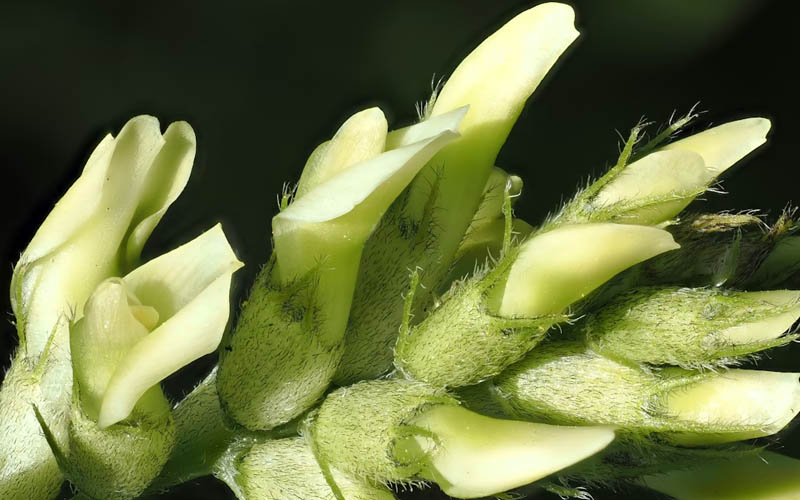

Every October, without fail, I start getting the texts. Friends asking what I’m taking. Coworkers sniffling in the next cubicle. My neighbor’s kid home sick for the third time in two months. And every year, I point people back to the same thing I’ve been making since around 2011—a dead-simple astragalus and honey tonic that costs maybe $8 and lasts three weeks.
This isn’t something I picked up from a podcast. Astragalus membranaceus (huang qi in traditional Chinese medicine) has been used for over 2,000 years as an immune adaptogen. A 2006 review in the Journal of Clinical Oncology documented its immunomodulating effects across 34 randomized clinical trials. That’s serious, long history. Not a fad.
So what makes this recipe different from what’s floating around on Pinterest? Ratio control and timing. Most versions either under-steep the root or drown it in so much honey that the active polysaccharides barely penetrate the liquid. Here’s exactly how I do it.
What You’ll Need
Simple list. Nothing exotic.
You need 1 oz (about 28 grams) of dried astragalus root slices—the flat, tongue-depressor-looking ones, not the powder. One cup of raw local honey (I use a wildflower variety from a farm about 12 miles from my house), 2 cups of filtered water, and optionally a cinnamon stick and 3-4 slices of fresh ginger.
Don’t use astragalus powder here. It won’t strain cleanly and your tonic ends up gritty. The whole root slices are non-negotiable.
Making the Astragalus Decoction First
This step is where most people skip ahead and ruin the whole thing.
Add your dried astragalus slices to a small saucepan with 2 cups of cold water. Bring it up slowly—don’t rush it—and let it simmer uncovered on low heat for 45 minutes to an hour. You want the liquid to reduce by roughly half, leaving you with about 1 cup of deep amber liquid.
The color matters. Pale means you under-simmered. Dark reddish-brown is what you’re looking for. That color tells you the astragalus polysaccharides have actually made it into your water.
Strain through a fine mesh strainer. Press down on the roots to squeeze every last drop out. Then let it cool until it’s just warm—under 110°F is ideal.
Adding the Honey (Temperature Is Everything)
And here’s the part most blogs get completely wrong.
Raw honey loses a significant portion of its beneficial enzymes and antimicrobial compounds when exposed to heat above 110°F. So you have to wait. Don’t stir your honey into hot liquid. If you do, you’ve basically made expensive sugar water.
Once your decoction is warm but not hot, whisk in the full cup of raw honey. It’ll take a minute or two to fully incorporate. Add your cinnamon stick and ginger now if you’re using them—both have mild antimicrobial and warming properties that work nicely alongside the astragalus.
Storage and Dosage
Pour your finished tonic into a clean glass jar. Mason jars work perfectly. Store it in the refrigerator—it’ll keep for 2 to 3 weeks without issue.
Dosage? One tablespoon every morning, straight or stirred into warm (not boiling) tea. During active cold and flu exposure—say, when your whole office is dropping like flies—you can bump that to twice daily without any problem.
Who Should Skip This
Pregnant? Check with your midwife or OB first. On immunosuppressant medications? Same deal. Astragalus genuinely stimulates immune activity, which is exactly the point, but that’s contraindicated for certain autoimmune conditions. I’m not a doctor. You know your body.
Does It Actually Work?
Look, I can’t promise you won’t get sick. Neither can any supplement, herbal or otherwise.
But the winters I make this consistently are noticeably different from the ones I don’t. And a 2020 study out of Shandong University found that astragalus polysaccharides significantly increased natural killer cell activity in healthy volunteers after just 4 weeks of supplementation. That’s not nothing.
Bottom Line
Here’s what nobody talks about—the timing of when you start matters more than the recipe itself. Most people reach for immune support after they’re already sick, which is like grabbing an umbrella when you’re already soaked. Start this tonic in mid-September, before the first cold hits your community. Your immune system needs lead time to respond to adaptogens. Two to three weeks of consistent use before exposure gives your body something to actually work with. That’s the real secret, and you won’t find it on any supplement label.
Frequently Asked Questions
Can I use astragalus powder instead of root slices?
I’d strongly advise against it for this recipe. Powder doesn’t strain cleanly, which leaves you with a gritty texture. It also tends to over-extract bitter compounds during the decoction process. Stick to the dried whole root slices—they’re easy to find online or at most health food stores for around $6-$10 per ounce.
How long does this homemade astragalus honey immune tonic last?
Stored in a sealed glass jar in the fridge, it holds well for 2 to 3 weeks. The honey acts as a natural preservative, but don’t push it past three weeks. If it smells off or you see any cloudiness near the top, toss it and make a fresh batch.
Can kids take this tonic?
Children over 12 months can have honey safely (never give honey to infants under 1 year—botulism risk is real). For kids ages 1 to 5, cut the dose to half a teaspoon. But honestly, check with your pediatrician before starting any herbal routine for young children.
Where do I buy astragalus root slices?
Mountain Rose Herbs and Starwest Botanicals are my two go-to sources. Both sell certified organic dried astragalus root slices and ship quickly. Your local co-op or Asian grocery store might carry them too—often for less.
This article is for informational purposes only and should not replace professional medical advice.

