
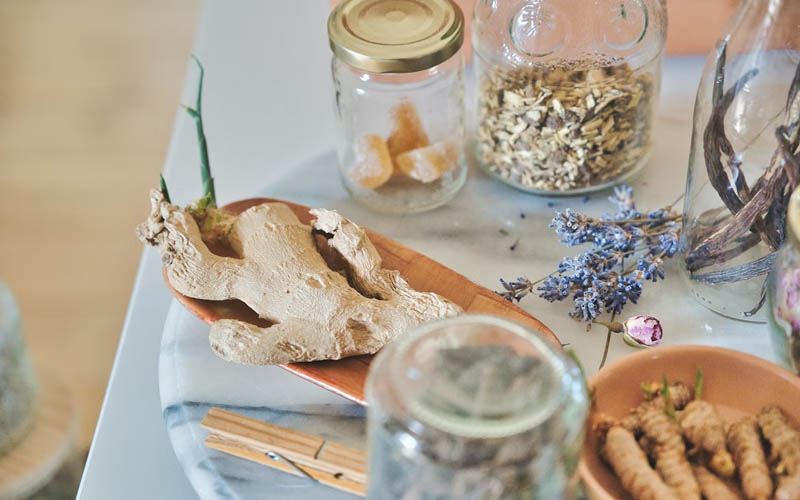

I kept getting sick every winter. Same cycle, every year. My doctor would shrug, hand me a prescription for something that knocked me flat for three days, and I’d lose a whole week feeling worse than the illness itself. So around 2012, I started building what I now call my home apothecary—a small, deliberate collection of herbs that handle roughly 80% of what my household throws at them.
This isn’t about abandoning modern medicine. It’s about having real options before you’re forced to make that call.
Honestly, the learning curve was brutal at first. But after a decade of growing, drying, tincturing, and brewing tea until my kitchen permanently smelled like a forest floor, I know which herbs actually earn their shelf space—and which ones are just expensive, pretty jars.
Why 15 Herbs? Why Not More?
Because more isn’t better. It’s paralyzing. Most herbalism books list 200 plants, and you end up buying nothing because you genuinely don’t know where to begin.
Fifteen is a number you can actually master. Each herb gets proper attention, proper storage, and—crucially—you’ll remember when to reach for it. The goal here is competence, not a museum.
The Foundation Five: Where Every Apothecary Starts
Chamomile
is non-negotiable. A 2017 review in Molecular Medicine Reports confirmed its anti-inflammatory and mild sedative properties. I reach for it with anxious kids, upset stomachs, sleep trouble. One strong cup, 20 minutes before bed. It works.
Peppermint handles headaches, nausea, and congestion. Crush a few fresh leaves and hold them near your nose during a migraine—peppermint oil showed measurable vasodilatory effects in German clinical studies from the 1990s that have held up surprisingly well over time.
Lavender is more than something you smell in a candle store. Topically, on minor burns and insect bites, it’s genuinely soothing. And the aromatherapy research for anxiety? It actually has mechanism-based science behind it now, not just anecdote.
Calendula (pot marigold—not decorative marigold, and please don’t mix those up) is the finest wound-healing herb I’ve found. Infused in olive oil, it becomes a skin balm that quietly handles dry skin, cracked heels, minor rashes. Simple and effective.
Echinacea. People get weirdly dramatic about this one. It won’t cure your cold. But a 2015 Cochrane Review found it trims cold duration by roughly half a day. That’s not magic—but when you’re miserable on day three, half a day feels significant.
The Middle Tier: Herbs That Pull Real Weight
Ginger
for nausea and inflammation. Elderberry for immune support (a 2016 study in Nutrients found it cut flu duration by four days in air travelers). Lemon balm for anxiety and cold sores. Yarrow for fevers and minor bleeding. Valerian when sleep trouble gets serious.
So those five cover the bulk of winter illness and stress-related complaints. And you can get all of them dried through Mountain Rose Herbs for pretty reasonable prices.
How to Actually Store and Use These Herbs
Glass jars only. Away from light. Label everything with the date you bought or dried it—most dried herbs shed significant potency somewhere between 12 and 18 months.
Tinctures last longer (two to five years in 80-proof vodka, or glycerin if you want alcohol-free). Teas are the easiest entry point. Infused oils land somewhere in the middle for both shelf life and usefulness.
Bottom Line
Here’s something I haven’t seen written anywhere else: the real power of a home apothecary isn’t the herbs themselves. It’s the pattern recognition you build over time. After a few years of reaching for chamomile when your stomach’s off, or yarrow when a fever spikes, you stop reacting to symptoms in full panic mode. You start reading what your body is doing and responding with some actual calm. That mental shift—from helplessness to informed participation—changes how you experience illness entirely. The herbs are almost secondary to that.
Frequently Asked Questions
Where do I buy quality dried herbs?
Mountain Rose Herbs and Starwest Botanicals are the two most trusted bulk suppliers in the U.S. Both test for pesticides and contaminants.
Are these herbs safe for children?
Most are, in smaller doses. But avoid valerian under age 12, and always check with a pediatrician for infants.
Can herbs replace my prescriptions?
No. They’re complementary. Never stop prescription medication without your doctor’s involvement.
How long does it take to build a functional apothecary?
Realistically? Three to six months to acquire, learn, and feel genuinely comfortable using your first 15 herbs.
This article is for informational purposes only and should not replace professional medical advice.

