
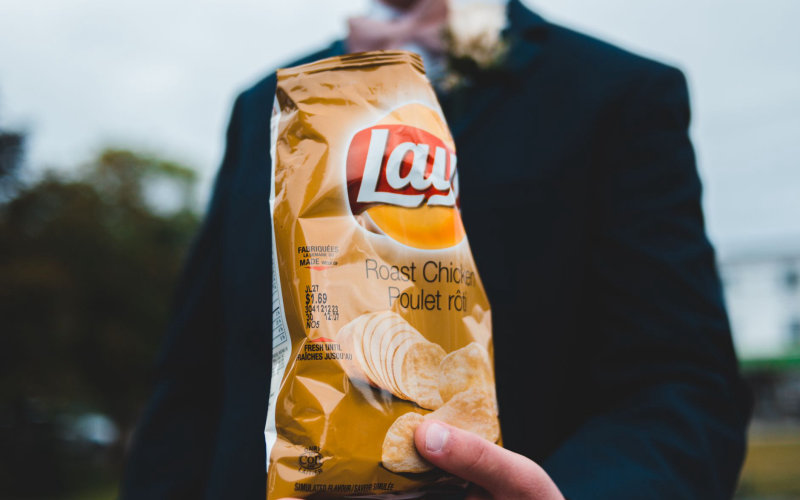

If you grabbed a bag of Miss Vickie’s Spicy Dill Pickle Potato Chips recently, stop. Check the package before you eat another chip.
On March 3, 2026, Frito-Lay voluntarily recalled select 8-ounce bags of Miss Vickie’s Spicy Dill Pickle Potato Chips after discovering some bags contained jalapeño-flavored chips — which include milk as an ingredient — with zero mention of dairy on the label. For the roughly 6 million Americans with a genuine milk allergy, that’s not a minor packaging error. That’s a potential trip to the emergency room.
Exactly Which Bags Are Affected
This is where most coverage gets vague. You need specifics.
The recall covers exactly 5,292 eight-ounce bags with UPC 0 28400 761772, a “Guaranteed Fresh” date of April 21, 2026, and manufacturing codes 38U301414 or 48U101514. Both codes matter. The Guaranteed Fresh date alone isn’t enough to confirm whether your bag is safe — you need to flip it over and check that manufacturing code too.
These chips were distributed to grocery, convenience, and drug stores across Arkansas, Louisiana, Mississippi, New Mexico, Oklahoma, and Texas starting January 15, 2026. So affected bags had nearly two months of retail exposure before the recall was announced. That window concerns me.
And here’s something most articles skip: the chips were also sold through local digital retailers. If you ordered snacks online recently, check your order history.
What “Class I” Actually Means
Two weeks after Frito-Lay’s initial voluntary alert, the FDA officially classified this recall as Class I on March 17, 2026. its highest risk tier, reserved for situations with “reasonable probability” the product could cause serious health consequences or death.
That two-week gap matters. Voluntary recalls sometimes don’t trigger the full Class I alarm right away, which means consumers can stay unaware of the real severity for days. In this case, the FDA’s formal enforcement report didn’t post until March 17, fourteen days after Frito-Lay’s announcement. If you only follow FDA alerts, you might have missed the initial warning entirely.
Now, to be clear: Frito-Lay stated the product is safe to consume unless you have a dairy allergy or milk sensitivity. If you’re not allergic, you’re fine. But as the Cleveland Clinic notes, more than 6 million Americans carry a milk allergy, and another 30 million deal with lactose intolerance. Undeclared dairy is a genuinely widespread public health issue.
A Pattern Worth Paying Attention To
This isn’t a one-off mistake. It’s the third Frito-Lay allergen recall in roughly 16 months.
In December 2024, Frito-Lay recalled over 6,300 bags of 13-ounce Lay’s Classic Potato Chips in Oregon and Washington, again for undeclared milk. The FDA upgraded that to Class I on January 27, 2025. Then in March 2025, Frito-Lay recalled fewer than 1,300 bags of Tostitos Cantina Traditional chips for the exact same issue.
Three recalls. Same allergen. Same company. All triggered by consumer complaints, not internal audits. That last part is the detail I keep coming back to. None of these were caught proactively.
What to Do If You Have the Recalled Bag
Simple steps. Don’t eat it if you have a milk allergy or sensitivity. Don’t give it to someone who might.
Return the bag to where you bought it for a full refund. If you bought it online, contact the retailer directly. most will process a return without requiring you to ship food back. You can also reach Frito-Lay’s consumer relations team through contact.pepsico.com/missvickies.
If you already consumed the chips and you’re experiencing symptoms, hives, swelling, difficulty breathing. seek medical attention immediately.
The Honest Truth Here
My honest take? Three undeclared-milk recalls from the same parent company inside 16 months isn’t a coincidence. It suggests something structural is off in PepsiCo’s allergen control processes at the manufacturing level, and the fact that every single one of these was caught by a consumer complaint first makes that harder to dismiss.
Frito-Lay never disclosed how jalapeño chips ended up inside Spicy Dill Pickle packaging. That accountability gap is real. Until they address the root cause publicly, I’d say it’s worth checking labels a little more carefully, even on brands you’ve trusted for years.
Photo by Erik Mclean on Pexels

