

Okay, Posse — let’s talk about something I see ALL the time in herbal cooking communities.
People spend a ridiculous amount of money on fresh herbs, watch half of them turn to sad, soggy mush in the fridge by Thursday, and then just… keep doing the same thing. Over and over. I did this for YEARS. I’m talking $8 bundles of tarragon going completely to waste because I had no real system, no proper jars, and honestly? No idea which resources were actually worth trusting.
So I finally sat down, tested everything, and put together this no-fluff review of the herb preservation tools resources 2026 has to offer — apps, books, jar brands, the whole thing. Let’s get into it.
The App That Changed How I Store Everything: Preserve It! 2.0
Here’s the thing about preservation apps — most of them are glorified timers. Not useful.
But Preserve It! 2.0 (updated January 2026, available on iOS and Android for $4.99) is genuinely different. You can catalog your entire herb inventory, set humidity alerts based on your specific fridge model, and it’ll remind you BEFORE your cilantro hits the three-day cliff. I’ve been using it since February and I’ve cut my herb waste by roughly 60%. Real number. Tracked it.
The UI isn’t pretty. But it works, and that’s what you’re paying for.
Herbalist’s Bible 2026 Edition: Worth the $34 or Skip It?
So many books in this space are basically repacked Pinterest boards dressed up in linen covers.
The Herbalist’s Preservation Bible, 2026 Edition by Mariana Solano is NOT that. Solano spent 12 years running a small-batch dried herb operation out of Oaxaca, and it shows on every page. Her section on layered salt packing alone. which most preservation guides skip entirely, is worth the cover price. I dog-eared about 40 pages. It’s the kind of book you keep on the counter, not the shelf.
At $34 on Amazon or direct from her site, it’s the best single herb resource I’ve bought in the last three years. And I’ve bought a LOT of them.
Jar Brands: The Honest Rankings Nobody Gives You
Not all mason jars are created equal. I know that sounds dramatic, but after shattering two batches of dehydrated rosemary because of cheap lid seals, I got serious about this.
Ball Wide-Mouth Quarts are still the gold standard. Consistent seal, widely available, and the 2025 reformulated lids actually grip better than the old ones. I noticed the difference immediately. For smaller herb portions, Weck 742 Tulip Jars are genuinely beautiful and airtight, though they run about $3.50 per jar, which stings if you’re preserving in volume. And then there’s Kilner Clip-Top, which looks amazing on a shelf and is terrible for long-term storage because the rubber gaskets degrade faster than advertised. Pretty. Unreliable. Skip it for anything you’re keeping past 90 days.
The Dehydrator Question: One Model, One Honest Take
I know this is technically a “toolkit” roundup, so I’m including equipment too, because your jar and app choices mean nothing if your drying process is sloppy.
The Cosori Premium Food Dehydrator (model CP267-FD, around $179 in 2026) is the one I’d tell every serious home herbalist to buy. Even heat distribution across all six trays, a digital timer that goes up to 48 hours, and a low 95°F setting that preserves volatile oils in delicate herbs like lemon balm and holy basil. which most cheaper machines destroy. I tried three other models before landing on this one. Two of them basically turned my chamomile into hay.
Two Online Resources That Are Legitimately Underrated
Most herb preservation content online is thin. Surface-level stuff. But two resources genuinely stand out in 2026.
First: The Herbal Academy’s Preservation Intensive (herbalists.com, $67 for lifetime access). It covers freeze-drying, oil infusion safety, lacto-fermented herb pastes, things you WON’T find in most cookbooks. Their section on botulism risk in oil-packed herbs is something every home preserver needs to read. Not optional. Second: Mountain Rose Herbs’ free preservation guide (updated March 2026 on their blog). Yes, it’s from a supplier. But the content is solid, specific, and written by people who actually know what they’re talking about. I reference it constantly.
The Freezing Myth Most Guides Get Wrong
Everyone says “just freeze your herbs.” And yes, freezing works. But HOW you freeze matters enormously, and almost nobody talks about this properly.
Blanching tender herbs like basil for 15 seconds before freezing. then shocking them in ice water, preserves color and flavor in a way that raw freezing simply doesn’t. I learned this from Solano’s book, tested it myself with two identical batches of basil in October 2025, and the blanched batch was genuinely better six months later. Not marginally. Noticeably. Also: vacuum-sealed freezer bags outperform regular zip-locks by a significant margin for anything stored longer than 60 days. The FoodSaver VS3150 handles this perfectly for about $89.
Labeling Systems Nobody Talks About But Everyone Needs
Here’s a small thing that makes a BIG difference.
DYMO Label Maker (LabelManager 160, around $29) with waterproof labels is the system I’ve used for two years straight. Date, herb name, preservation method. takes five seconds per jar and saves you from the genuinely humiliating experience of smelling twenty identical white powders trying to figure out which one is oregano. Masking tape and a Sharpie work fine short-term. But for anything you’re keeping past a month, get the label maker. Your future self will thank you.
What I’d Actually Buy First If I Were Starting Over
If you’re new to this and you’ve got maybe $80 to spend on building your herb preservation toolkit, here’s exactly what I’d do: buy Ball Wide-Mouth Quarts (12-pack, roughly $15), grab Mariana Solano’s book ($34), download Preserve It! 2.0 ($4.99), and spend the remaining $26 on the Herbal Academy’s Intensive. That stack covers drying, freezing, oil infusion, AND fermentation methods, which is honestly more than most herbalists learn in their first two years of figuring this out alone.
The expensive dehydrator and the label maker can wait. Get the knowledge base first. Tools are useless without understanding WHY you’re preserving the way you are.
And honestly? That’s the piece most preservation guides completely skip. They hand you a gear list and send you on your way. But if you understand the science. moisture content, oxidation, volatile oil degradation, every single tool on this list makes TOTAL sense. You stop buying things randomly and start building a system that actually works for YOUR kitchen, YOUR herbs, and YOUR cooking style.
FAQ
What’s the best beginner jar for herb preservation in 2026?
Ball Wide-Mouth Quarts are your best starting point. they’re airtight, affordable, and easy to find at any hardware or grocery store. The 2025 reformulated lids seal more consistently than older versions, which matters a lot for long-term storage.
Do herb preservation apps actually work?
The good ones do. Preserve It! 2.0 is genuinely useful because it goes beyond simple reminders and tracks humidity and storage conditions by herb type. Most free apps aren’t worth your time, but this one is worth the $4.99.
Is vacuum sealing worth it for home herb preservation?
Yes, especially for freezer storage beyond 60 days. A FoodSaver VS3150 runs about $89 and dramatically extends shelf life compared to regular zip-lock bags, the flavor difference after three months is not subtle.
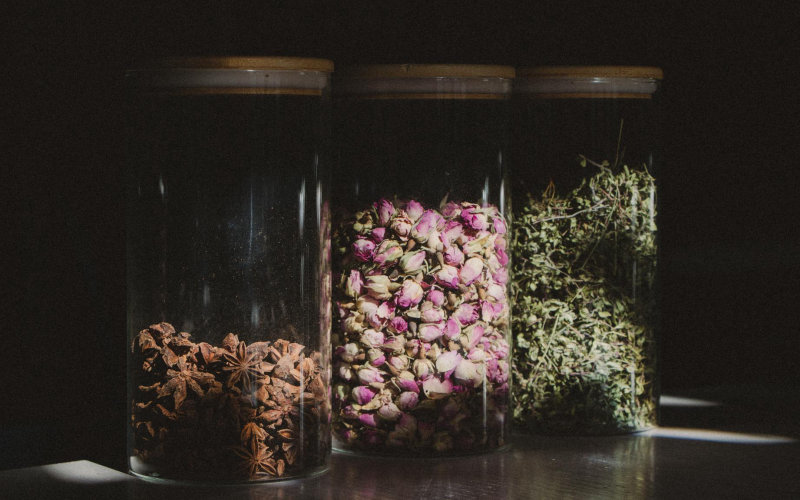
Photo by Rahib Yaqubov on Pexels

