

Okay, so here’s something I need to say out loud: most “herbal honey” recipes online are just… honey with a sprig of lavender dropped in. And look, I love lavender. But if you’ve been making herbal infusions for more than a few months, that kind of basic setup is NOT going to cut it anymore.
I spent three years experimenting with cold infusions, fermented honeys, and layered herbal blends before I landed on the recipes that actually deliver results — both in flavor AND function. These are the ones I keep coming back to, the ones that make people ask “wait, what IS that?” when they taste something I’ve made.
1. Four-Week Cold-Infused Fire Honey
Most people rush honey infusions with heat. Big mistake. A cold infusion over 28 days pulls volatile oils intact, especially from cayenne and fresh horseradish root. Combine 1 cup raw wildflower honey with 2 tablespoons finely grated fresh horseradish, 1 teaspoon cayenne, and 5 smashed garlic cloves. Seal it. Leave it. Stir every three days. What you get after a month is something genuinely ferocious — warming, layered, and almost medicinal.
2. Fermented Elderflower and Ginger Honey (Oxymel-Adjacent)
This one surprised me the first time I made it back in summer 2021. Mix fresh elderflowers with raw honey at a 1:3 ratio, then add 2 tablespoons of fresh ginger juice and just enough raw apple cider vinegar to bring the moisture level up. Leave it loosely covered — you WANT wild fermentation to begin slowly. After two weeks you’ll have something tangy, floral, and alive in a way that no basic infusion recipe can touch.
3. Dual-Extraction Ashwagandha Honey Paste
So this technique borrows from dual-extraction tincture methods. You first make a strong ashwagandha decoction. simmer 2 tablespoons of root powder in 1 cup water for 30 minutes, then reduce it to roughly 2 tablespoons of thick liquid. Stir that concentrated extract directly into 1 cup of raw honey while both are still slightly warm. The fat-soluble compounds from the root bind better to the honey this way than straight infusion ever achieves. Dense, earthy, genuinely effective.
4. Lemon Balm and Blue Lotus Honey
Niche? Yes. Worth it? Completely. Lemon balm fresh from the garden (not dried. fresh makes a real difference) layered with dried blue lotus flowers in a jar, then covered in a light clover honey. What you’re doing here is capturing both the nervine qualities of the lemon balm AND the subtly euphoric quality of blue lotus, which has been used in traditional Egyptian preparations for centuries. Cold infuse for 21 days minimum. You’ll taste the difference between day 7 and day 21, dramatically.
5. Rosemary-Infused Honey with Black Pepper Activation
Here’s the thing about rosemary honey that most guides miss entirely: rosemary’s diterpene compounds. specifically rosmarinic acid, have notably better bioavailability when paired with a piperine source. Freshly cracked black pepper. I know it sounds odd. But combine 4 generous rosemary sprigs, ½ teaspoon freshly cracked pepper, and 1 cup raw honey, then warm-infuse at 95°F for 48 hours. The flavor is bold, slightly savory, and NOTHING like the watered-down rosemary honeys you’ll find at farmer’s markets.
6. Tulsi Honey with Solar Infusion Method
If you haven’t tried solar infusion, you’re missing out on something genuinely special. Pack a small jar tightly with fresh holy basil (tulsi) leaves, fill with raw honey, cap it, and set it in direct sunlight for 6–8 hours daily for two weeks. The gentle, fluctuating warmth mimics a warm-weather extraction environment without degrading heat-sensitive compounds. The result is lighter and more aromatic than stovetop versions. Tastes almost perfumed. Pairs beautifully with chamomile tea.
7. Reishi Mushroom Honey with Cacao Butter Emulsification
Okay, this one requires a little more effort. But stay with me. Make a strong reishi decoction first. 2 cups water, 3 tablespoons dried reishi, simmered 45 minutes and strained down to ¼ cup. Melt 1 teaspoon of raw cacao butter separately, then whisk the warm reishi concentrate into 1 cup honey along with the cacao butter while everything sits at around 100°F. The cacao butter acts as an emulsifier and dramatically improves how those bitter triterpenes sit in the honey. Smooth. Rich. Nothing like plain reishi powder stirred in.
8. Thyme and Marshmallow Root Respiratory Honey
Two tablespoons of dried thyme. One tablespoon of marshmallow root cut-and-sifted. One cup of buckwheat honey, specifically buckwheat, because its higher antioxidant profile pairs meaningfully with thyme’s thymol content. Cold infuse for 14 days. The marshmallow root adds a distinct slightly-viscous quality that makes this feel genuinely soothing on the throat in a way I haven’t found anywhere else. My sister asked me to make a new batch every single winter since 2022.
9. Calendula and Saffron Honey for Skin Application
Most herbal honey recipes focus on eating the honey. But calendula and raw honey together have remarkable topical applications, and adding even 5–6 saffron threads to the infusion pulls in additional carotenoid compounds. Pack dried calendula petals into a jar with the saffron, fill with raw honey, and warm-infuse at a very low 90°F for 72 hours. The honey turns a deep golden-orange. Applied as a face mask. leave on 15 minutes, it’s honestly one of the most effective things I’ve tried. Way better than the $60 honey masks I used to buy.
10. Adaptogen Stack Honey Blend
This one is for the advanced crowd. And I mean ADVANCED. Combine small-batch dual-extracted powders of eleuthero, rhodiola, and schisandra. ½ teaspoon each, with 1 cup raw honey and 1 tablespoon blackstrap molasses. The molasses adds iron and B vitamins that make this blend genuinely nutrient-dense, not just herbally interesting. Stir vigorously every day for a week rather than infusing passively. The honey will darken and thicken noticeably. A half-teaspoon in your morning coffee hits differently than any single adaptogen honey can.
What I’d Do If You’re Just Getting Into This
Start with recipe #8. Seriously. It’s the most forgiving, the timeline is short enough to stay motivated, and the result is useful enough that you’ll actually reach for it regularly. which keeps you excited to try the harder stuff. From there, move to #1. Those two recipes together will teach you more about honey infusion timing and ingredient behavior than any book I’ve ever read on the subject.
And honestly? The biggest thing most herbal honey guides get wrong is treating honey as passive. It’s NOT passive. It’s alive, enzymatic, and genuinely reactive to what you put in it. Treat your honey with the same respect you’d give any active botanical medium and your results will be on a completely different level.
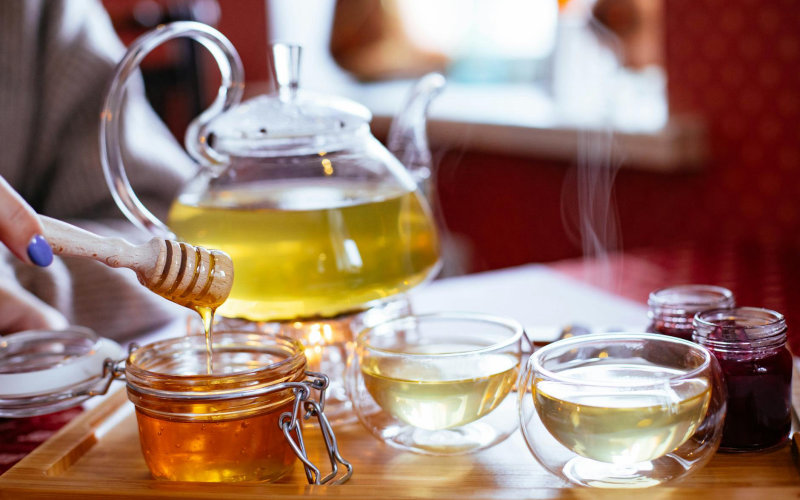
Photo by Valeria Boltneva on Pexels

