
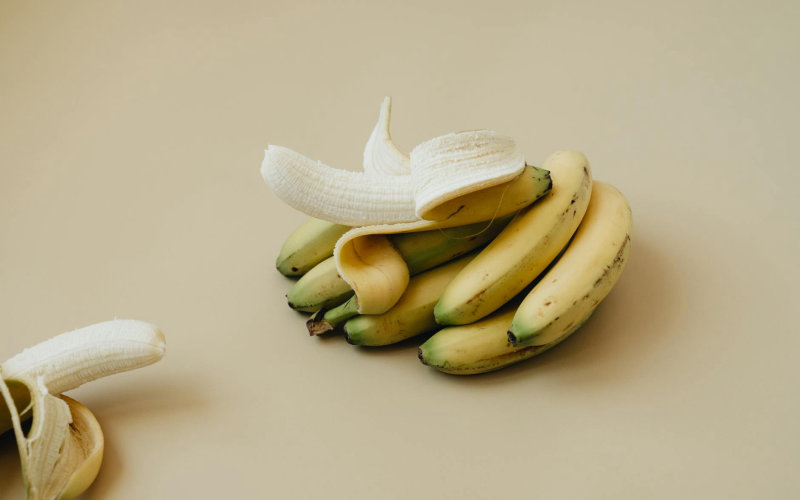

Here’s the Bad News
Okay, so here’s the thing nobody wants to hear at 7 AM: that banana you’re grabbing off the counter, feeling virtuous, peel half-off before you’re even fully awake? It’s not really breakfast. It’s a snack pretending to be one.
I know. Rude. But stick with me.
Why a Solo Banana Fails the Breakfast Test
A medium banana clocks in at around 105 calories, roughly 1 gram of protein, and almost no fat. The NHS recommends breakfast land somewhere between 300 and 600 calories. Sports nutritionist Faye Townsend at Rhitrition Clinic puts it plainly: a banana alone doesn’t hit the three-macronutrient balance a proper breakfast needs. Translation — you’re starting the day nutritionally undershooting by about half, then wondering why you’re hungry again before your second meeting.
And here’s where it gets messier. A ripe yellow banana (the kind sitting in every office kitchen and corner shop) has a glycemic index of around 75. That’s not exactly candy-bar territory, but eaten alone on an empty stomach after 8–12 hours of overnight fasting, those 15 grams of natural sugar — glucose, fructose, sucrose — absorb fast. Federa.org’s endocrinology team published CGM data in April 2026 showing a ripe banana eaten solo can raise blood sugar 20–40 mg/dL in healthy adults. For someone with prediabetes or insulin resistance, that number can jump to 60 mg/dL.
The Morning Cortisol Problem Nobody Mentions
Here’s the angle I genuinely haven’t seen most breakfast articles touch: your body’s cortisol peaks roughly 30 minutes after you wake up. This is normal, documented physiology. confirmed in a November 2025 peer-reviewed review in the International Journal of Molecular Sciences. But what it means practically is that your blood sugar is already more sensitive first thing in the morning than at any other point in the day. A high-sugar, low-protein meal like a solo ripe banana right into that cortisol window? Double hit.
Now add coffee. If you’re grabbing a banana and an espresso together, very normal, very human. caffeine further elevates cortisol. The ZOE Program flagged this exact pattern in May 2026 guidance, linking banana-heavy breakfasts specifically to blood sugar spikes and re-hunger cycles that then drive higher snacking throughout the day. The “light, healthy” breakfast quietly becomes the reason you’ve eaten 400 calories of random snacks before noon.
The Ripeness Variable Nobody Takes Seriously Enough
This is the part I find genuinely fascinating. A green, slightly unripe banana has a GI of around 30. A soft, spotty yellow one hits 75. That’s not a small difference. That’s the difference between a steady energy source and a sugar delivery system, on the same fruit, depending purely on how many days it sat on your counter.
Vively’s CGM app data and Healthline’s January 2026 medically-reviewed guidance both point the same direction: ripeness is the single most important variable in how your banana performs metabolically, and most of us are eating the fully ripe version every single time because that’s what the Dole and Chiquita supply chain delivers to shelves. Green bananas also carry more resistant starch and prebiotic fiber. genuinely useful for gut health, that largely disappears as ripening progresses.
What I’d Actually Do
Honestly? Don’t ditch the banana. Just stop treating it like a complete breakfast. Pair it with a handful of almonds or some plain Greek yogurt, and you’ve added protein and fat that slow sugar absorption meaningfully. Grab a slightly less-ripe one if you can.
And if you’re diabetic or watching your glucose. the Nutrisense CGM program is worth a look. Seeing your own personal blood sugar response to a banana is more convincing than any article I could write.
The banana isn’t the villain here. Eating it alone is.
Photo by alleksana on Pexels

